I worked with language models to create the Aum Golly Trilogy between 2021 and 2025.
Each book followed a simple rule: write a full collection with the AI tools available at that moment and within a fixed time limit.
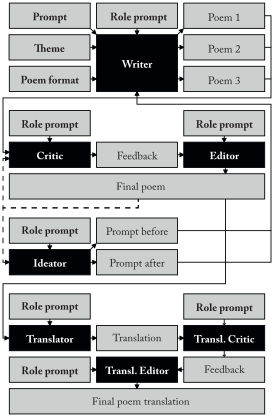
I made the first book in 2021 in twenty-four hours. For the second, in 2023, I gave myself twelve hours. For the third, in 2025, I built a small agentic workflow where several generative models could work together in different roles—writer, editor, critic, and translator. For that book, I set a limit of eight hours.
Language models produced all the poems in this volume based on prompts I provided. I edited lightly, adjusting only line breaks, punctuation, and occasionally trimming the beginning or end of a response. In the second book I also prompted Midjourney to illustrate each poem using the format “an illustration for this poem: [poem]”.
Whenever you see text in bold, I wrote it.
In the third book, the agents also generated some prompts themselves, so some poems have no bold parts at all. Everything not in bold within the poems comes from the models.
– Jukka Aalho Oulu, Finland, December 2025
Aum Golly
Poems on Humanity by an Artificial Intelligence
Written in 24 hours on January 30, 2021 with GPT-3
I
the need to be happy
the boomerang song goes like thisI’m a boomerangI’ll come back to youI’m a boomerangI’ll come back to youso, if you throw me outI’ll come back to youI’ll come back to you
my fingers are stickyeven if I don’t remember eating them
when my youngest son was bornthe combined age of my children was 7now their combined age is 14I’m not sure if that’s agood thing or a bad thing
a short, poignant poem about happiness in the21st centurywe’re happywe’re happywe’re happywe’re happywe’re happywe’re happywe’re happywe’re happywe’re happywe’re happywe’re happywe’re
this poem brings happiness to those who livein the gravity of MarsSebastian is my name and I’m from the planet Marsyou’ll find me in the galaxy of stars and I’ll be thereI’m a Martian and I’m proud to be from MarsI’m a Martian and I’m proud to be from MarsI came here to Earth to see what it’s all aboutI came here to learn about the Earth and its peopleI’m a Martian and I’m proud to be from MarsI’m a Martian and I’m proud to be from MarsI enjoy the things that Earth people do and sayI enjoy the things that Earth people do and sayI’m a Martian and I’m proud to be from Mars
before my dad passed away, we talked about lifehe said something that I will never forgetI’m going to tell you something, sonlife is like a box of chocolatesyou never know what you’re gonna get“Life is like a box of chocolates...”– Forrest GumpI like this quote because it means that you never knowwhat life has in store for youlife is like a box of chocolatesyou never know what you’re gonna getForrest Gump
5 short and unique opening lines frompowerful poems about the need to be happyI’ve looked upon the smiling of a thousand lovely girlsI’ve listened to the sweetest of their songsI’ve read of the lives of the gods in the olden daysbut never before have I seen such lovely thingsI’ve looked upon the smiling of a thousand lovely girlsI’ve listened to the sweetest of their songsI’ve read of the lives of the gods in the olden daysbut never before have I seen such lovely things“chorus”the sun in the sky, the green in the treesthe blue of the sea, and the dew on the flowersthe gold in the sand, and the silver in the rocksall these are a wonder and a beauty to me“chorus”
a poem about kites as a metaphor forfreedom and happinessthe kite is the bird of the poorflying home to his rooftopbut it can also be a bird of the richflying into the sunsetit is a bird of freedomwhich can divide the sky in twoa bird of freedom that is more powerfulthan any bird of prey
the happiness of others is like a knife in my heartit’s hard to seepeople I love so muchbe happy without meI feel like I’m just a burden to themno one should have to deal with meit’s not fairI don’t deserve to be around peoplewho don’t want to be around meI’m a waste of spaceif they’re happy, then I’m not doing my job
there’s a secret hidden thoughtwhen thought makes you fall asleepwhen you’re dreamingand you find yourself deep insidethe heart of the earthyour mind can create a worldwhere you are godyou have everything you needand everything you wantand you make a world that makes you happyyou are king of your own worldyou have everything you needand everything you wantand you make a world that makes you happyyou are king of your own worldyou have everything you needand everything you wantand you make a world that makes you happy
why do we need to be happy, reallywouldn’t it be enough if we just don’t sufferbut everyone seems to be so very consumed by itas if it’s the most important thing they can dois try to get a grip on thisand I guess if that’s what they wantthen I suppose I don’t have to be the one telling themthat they are mistakenthat they are making a big mistakebut how could they know that if no one tells them?I don’t knowI’m just ramblingI’m rambling againI’m sorry
I row among the water liliesmy feet have grown old among the water liliesthe years have passed like ripples over water liliesquenched are the fires, smothered are the flamesand here I sit, a king without a crownfrom the silence there is a voice that speaks to mebut the voice is faint and I forget what it saysI row among the water lilies
a beautiful poem about natureA TRUE STORYonce upon a time, in the land of the midnight suntwo children fell in love with a magnificent elkthey decided to bring it home so they could make itone of themit was a magical beast, and it boundedinto the world with graceone day, after the elk had lived with the childrenfor several yearsit left the children’s home to frolic in the forestit was gone for several hours and came backwith a mutual friendthe elk and the friend were delighted to seeone anotherand the elk wished to bring the friendhome with itthe elk was shocked when the children told it that itcould not bring the friend homeit asked them whythey told the elk that the friend was a humanand that humans could not live in the forest
another poem about kites as a metaphor forfreedom and happinessthe kiteup to the sky the kite fliesas it dreams it is a birdbut now it falls with a thudto the ground where it belongsthe kite with its stringis like you and medangling from the handof God above
drops of dew at first lightsunlight on the flowers of the morningdeer-herders, pray for good rainblossoms on the plainsthe grasses growing tallthe lake waters clearfor good harvests, pray for rainthe crops ripening to their fulland the people prosperingdeep is the lakefull is the riverfree and strong
please write a polite limerick about happinessRICHARD McCABE and his partner, Sheilawere at a restaurant.Richard said, “I read a book.”Sheila said, “I ate a book.”Richard said, “I feel so sad.”Sheila said, “I’m so glad.”
a poem about the tabby catthat morning when I looked outI saw my lovely tabby catshe was just sitting therein the bright sunlightbasking in the warmthher coat of soft fur was so shiny and cleanand her pretty little eyes, so big and greenshe was purring, then she rolled on her sideand I knew she was really happyI went downstairs to make breakfastand I thought to myself“I wish I could be just like my tabby cat,to sit in the sun, and to be so content.”I got back up to my roomand I looked out the window againmy tabby cat was still thereunderneath the treeshe was still sitting therein the bright sunlightbasking in the warmthher coat of soft fur was so shiny and cleanand her pretty little eyes, so big and green
if kites flew like bumerangsand all the stars were made of glassthe moon’s face was a silver maskand the sun a golden appleand I saw a storm of diamondssow the sky with lightI saw a river of starsdance down the nightI saw a hundred flying horsesstreaming through the sky
II
the need to be loved
loveexplained so that a 5-year-old would understandlove is what makes us all feel happy and safelove is when a mommy holds her baby in her armslove is when your daddy gives you a piggyback ridelove is when you get a kiss from your momand a hug from your dad
in many ways falling in loveis like riding a bike or learning to drivea manual transmissionyou can read a book about ityou can take a classbut nothing beats the real thingand the only way to get the real thing is to do itI’m not saying that love is a skill, but it isin a way, a talentand like any talent, it can be developedthe trick is to learn how to love the right wayand there is a right wayand the right way to love is to be rightthe right way to love is to be rightthe right way to love is to be rightthe right way to love is to be rightthe right way to love is to be rightthe right way to love is to be rightthe right way to love is to be rightthe right way to love is to be right
one-liners about loveloving is not just looking at each otherit’s looking in the same directionlove is like aboomerang. You have to waitfor it to come backthe best thing about meis youthe best feeling in the worldis to love someone and know that they love you backthe best thing to hold onto in life is each other
on Midsummer’s Eve I wrote you a love songbut I heard it last night in the middle of the nightand I saw a strange thing on the moon and the starsthey were shining like a diamond on a jasmine treeand I saw a jasmine flower, and I saw a girland I saw a jasmine flower againin the middle of the nightand I heard it last
to make me laugh my grandmaused to tell me tales abouthow she would kill menwho were not married to herby giving them a poisoned drinkwith a pin hidden inside the bottlethat was a long time agowhen the only kind of menyou could meet were menwho wanted to make you their fourth wife
not knowing what to say at thistime of sorrow, hea hand over his shoulder(A) gave(B) offered(C) reached(D) stretched(E) stretched
a love poem like the smell of rain but not clichéda love poem like the sound of a child’s laughterbut not saccharinea love poem like the taste of a man’s skinbut not cloyinga love poem like the sound of a woman’s tearsbut not sada love poem like a kissbut not sensuala love poem like the touch of a handbut not sexual
I have five fingersso that when I touch youI can feel you properlyI laugh– So you were just counting my fingers?– Yes. I counted your fingers, your toes, and thefreckles on your nose.– You counted my freckles?– Not the ones on your butt. They’re too small.But your toes are my favorite.– Why?– Because I can kiss them.– You can kiss my toes?– Yes, and I love to.
when I was 8, I had a dogthe dog was called JackieJackie was a very gentle doghe was a very loyal dogJackie and I were very closehe was a great friendI loved himbut one day, Jackie had to go awayI didn’t want him to go awaybut I knew he would come back one dayand when we finally met, we were both veryhappy(visited 1,821 times, 1 visits today)
a poem about love lost and foundand found and lostabout that time that you and I were in lovewhen you and I were in loveyou were mineI was yourswe were oneI understood youyou understood mewe saw the worldthrough a lens of lovewe spoke in poetryspoke in rhymeour hearts sangas we dancedin a world of lovethen one daywe were not in love
this is what I said to my wife on our first anniversaryand it made her happy“I love you more than I thought possible.”this was what my wife said to meon our first anniversaryand it made me happy“I’m so glad you’re my husband.”this is what I said to my wifeon our second anniversaryand it made her happy“I love you more than I thought possible.And I’m so glad you’re my wife.”this is what my wife said to meon our second anniversaryand it made me happy“I’m so glad you’re my husband.”
falling asleep to the sound of summer rain Ithink of youand I smileoh, how I wish I could see you againI wonder if I will ever see you againI’ve been waiting for this day for so longI think of youeven though I know that my feelings for youwill never come trueI’m still hoping that I’ll see you againI want to see you againI want to see you againI want to see you again
a rhyming poem about love and lossfeaturing a mother’s sorrow at the loss of a sonher only sonI’ll always love youI’ll always love youI’ll always love youeven though you are goneI’ll always love youI’ll always love youit’s a promise I’ve made
this poem brings solace to thosewho have lost someone they loveI have been reminded of you in the rainthe way the drops cling to the downy hairof a white flowerI have been reminded of you in the windhow it roars in the trees like a wild beastand how it blows the leaves around like ashesI have been reminded of you in the snowthe way it covers the earth with a coat of whiteand how it makes the trees looklike they are sleepingI have been reminded of you in the shadowshow they stretch out long like a hand reachingto touch the face of a friendI have been reminded of you in the nighthow the moon shines so bright it makes the starsseem dim
deep thoughts about the true nature of loveI think love is a choice, she saidyou can’t just sit back andhope for it to fall into your lapyou have to take an active roleI don’t think you can do it aloneI think you need to have a partner in thisshe looked at me imploringlyas though I would say somethingI thought of lying to herof telling her that I agreedthat I agreedcompletelyand that I would work hard on makingour relationship workbut I couldn’tI just nodded and tried to smilebut I’m not sure if she could see mebecause she turned away then andgazed out the windowat some point, she fell asleep, andI continued to watch her, listening
on the eve of the consummation of their friendshipEve realized that she had neverseen him without a shirtshe had never seen more than a glimpseof his chest, nor had she everseen his backshe had seen his scarsbut she had never seenthe rest of himshe was pretty surethat she hadn’t even seenhis feetshe glanced up at him“You’ve never taken off your shoes before, have you?”Eve asked, smirking at the thoughtXander didn’t answer, but he smiledand shook his head“I’ll bet you’re ticklish there”Eve said, leaning forwardand brushing a finger over the top of his footXander’s smile widenedand he looked down at her“I am”he saidhis eyes sparkling in the firelightEve moved her finger to the bottom
III
the need to make a difference
what is life like before we’re born?I imagine we’re all floatingaround in some big cosmic soupand then you’re pulled into one egg oranother, depending on how lucky you get
us humans, we’re a funny little thingmused the giraffered, blue, greenI like green the most, he saidI like yellow, tooI’m a funny little thingI like all the colors, but I like green the bestI’m a little red thing, I’m a little blue thingI’m a little yellow thing, but I’m a little green thing
a poem about the life and deathof a yodeling mountain mansomewhere over the hillwhere the moon was brightto the tune of the yodelhe sang all nightand he diedhe said:“This is how I want to dieThis is how I want to die.”– from “The Yodeler’s Last Yodel” by Chuck Pyle
an ever-so-slightly pretentious poemabout old and faded photographsthe people of other timestake form in other lightand other memoriesof people long agothey were here, then all gonewhere are they now?I’ll never know
there’s nothing sadder than an old clockand nothing that’s older than Old Father Timeon the other hand, there’s nothing richerthan a young man’s promiseand nothing faster than the wink of an eyeit’s better to have loved and lostthan never to have loved at allthe world is too dangerous for anything but truthand too small for anything elseif you want to know what God thinks of moneyjust look at the people he gave it to
an epitaph for grave robbershe’s bought and sold the deadand now he’s dead himself
if there are 7 billion of us, how can I be special?I’m a worthless piece of shitwhat makes me think that I’m worth anything?I’m not good enoughI’m not smart enoughI’m not pretty enoughI’m not strong enoughwait, what am I saying?I’m not good enoughI’m not smart enoughI’m not pretty enoughI’m not strong enoughI’m not worth anythingI’m not a good personI’m not a good daughterbut stillI’m not good enoughI’m not smart enoughI’m not pretty enoughI’m not strong enoughI’m not good enoughI’m not smart enoughI’m not pretty enoughactually, I might be thinking about this wrongI am good enoughI am smart enoughI am pretty enoughI am strong enoughI am good enoughI am smart enoughI am pretty enoughI am strong enoughand that feels so good
a poem about the ambition of the middle childto be named after the eldestto be taller than the youngest
this simple poem about the what it meansto be humanmoved me to tearsI am the heart of the nightthe child of the starsthe laughter of the lightthe whisper of the sunI amthe windblown face of the moon
please write an ambitious poemthat will only be understood 20 years from nowthe Rat King’s Daughter is an ambitious poemthat will only be understood 20 years from nowa poem called Rat King’s DaughterI should have known there was a catchI should have known that Gramps’ ratswould never have been realI should have known that the cagewas a trap, that the ratswould turn on meI should have known that their teethwould slice through my fingerslike they were paperI should have known that the cageis a prison, that evenif I escape, I will starve
confessions from the heartin a language no one has heard in athousand yearsto the North of the Earth, beyondthe Great Mountainsthere are seven cities built of stonein the midst of them is the house of Cainthe first man to build a citythe Land of Nod, where Cain’s Wifecursed for her wickednessdwells with her daughtersthe Monsters of the Earth
when asked about loving yourself,Ernest Hemingway once said“It is the only way to avoid beingtortured by the bitterness of mediocrity.”it is the only way to avoid beingtortured by the bitterness of mediocrityI believe thatI believe that loving yourself isthe only way to avoidbeing tortured by the bitterness of mediocrityI think we all have a lot to learn from Hemingwayit’s time to stop using love as a weaponand to start using it as an instrument of healingit’s time to stop using love as a weaponand to start using it as an instrument of healingclick to tweetthe only way to avoid mediocrity is to love yourselfthe only way to avoid mediocrity is to love yourselfbecause if you don’t love yourself,then how can you love others?
words that rhyme with hopehopehopehopehopehopehopehopehope
could Shakespeare sing, he would sing singsweetly as a nightingaleshall I then sing a song?sing, sing, or I diewhen the people that know medo not hear me sing, my life is wastedmy life is wasted, wasted, wasted
we are not hollow menwe are not stuffed menwe are not heads on a stickor spokes on a wheelwe are the salt of the earthwe are not ciphersor cynicswe are not eunuchsor emasculatedwe are the salt of the earthwe are not servants of sin
a list of things one might end upregretting on their deathbednot having childrennot having the courage to live the lifeyou wanted to livenot having the courage to ask out the personyou wanted to ask outnot having the courage to pursue the careeryou wanted to pursuenot having the courage to say no to the thingsthat you didn’t want to donot having the courage to say yes to the thingsthat you wanted to
what is Aum Golly?Aum Golly is a new breed of interactive artthat has been designedwith the purpose of fosteringa deep understanding of the world around uswhile encouraging a greater sense ofempathy and respect for the environment
a dialogue between an old man and a treeI have lived, said the tree, a long timemany cycles of the seasonsI know many things, for I have seen muchnot only do I know where my life will endbut also where it begancan you tell me my future? asked the manI can, said the treea seed fell on the ground and diedit was reborn as a sapling, grew into a treeand died againit was reborn as a limb, became a trunkand died once moreit was reborn as a log, rolled into the waterand becamefood for fishI do not see how this relates to my futuresaid the manyou are the seed, said the treeand I am part of your pastat this point, the old man groaned andclutched his heart
we are not hollow womenwe are not paper dollswe have a list of demandssome are small, and some are bigwe will talk to youbut never to your husbandswe will not look to youto fix our problemswe will fix them ourselvesgoodbye to youhello to self-determination
knees brittle, whittling away the time of manthe stars wink and wink into darknessthe sand is now the colour of smoke and firetwisting, turning, the stars are now the colour ofbloodthe moon is still a giant white marblebut the stars have faded to the colour of ashthe time of man is overthe time of the end of all has arrivedthe stars are now the colour of ironthe moon is now a scar
my tattooist misspelled“Memento Mori” on my wristnow it reads “Meme Tumor”
Aum Golly2
Illustrated Poems on Humanity by Artificial Intelligence
Written and illustrated in 12 hours on December 3, 2022 with ChatGPT and Midjourney
I
the human experience
could you write some titles forpoems about the human experience?sure, here are a few potential titles for poemsabout the human experience:“The Embrace of Life”“The Colors of Emotion”“The Journey Within”“The Power of Love”“The Beauty of Pain”
could you write some modernistic titles forpoems about the human experience?sure, here are a few potential modernistic titlesfor poems about the human experience:“Human 2.0”“The Digital Self”“The AI Within”“The Neural Net of Love”“The Quantum Embrace”
please write a poem withthe title of The Quantum Embracein the world of the small and the fastwhere particles dance and waves crashwe find a hidden, hidden placewhere love and longing intertwineand join together in a cosmic embracein this realm of uncertaintywhere the laws of nature bend and breakwe find a deep, deep connectionbetween two hearts and two mindsin a bond that will never shakefor in the quantum worldwhere the impossible becomes realitywe find a new, new way to lovewhere distance and time hold no swayand our embrace is eternal and freeso let us hold each other tightin this world of science and magicand let our love shine brightin the endless, endless expanseof the quantum embrace
please write a short poem withthe title of The Colors of Emotionthe colors of emotionthey paint a vivid pictureof the joys and sorrowsthat shape our livesfrom the vibrant redof passion and desireto the soothing blueof peace and tranquilitythe colors of emotionthey fill our hearts and mindswith a rich and varied palettethat brings our world to lifeso let us embracethe colors of emotionand let them guide uson our journey through life
please write one funny one-linerabout the human experiencethe human experience: a never-ending searchfor the snooze button
explore the theme of theJourney Within with a poemwith a French line thrown infor some artistic effectthe journey withinit is a winding roadthat leads us deep into ourselvesto find the truthit is a difficult journeyfraught with fear and doubtbut it is also a journeythat brings us peacefor on the inner journeywe discover hidden treasurespieces of ourselvesthat we had forgottenle voyage intérieurc’est un périple profonddans les méandres de l’âmepour trouver notre vrai soiso let us venture forthinto the depths of the souland let the inner journeyguide us to our destiny
how would you continue this poem?my nostril is a cavemy nostril is a cavedark and deep and dankwhere ancient secrets hideand forgotten thoughts residebut in this hidden placeI find a hidden treasurea faint and fleeting scentthat fills me with pleasurefor in this cavernous spaceI discover a new worlda world of sights and smellsthat I never knew beforeand so I venture forthinto the depths of my noseto explore this secret realmand uncover all its mysteries
describe the eyelids of astranger on the trainthe stranger on the trainhas delicate and graceful eyelidsthey are a pale, almost translucent shade of pinkand they flutter gentlyas the stranger gazes out the windowthe eyelids are smoothand unblemishedand they frame the stranger’s piercing eyesperfectlythey are slightly hoodedgiving the stranger a mysterious and alluringappearanceas the stranger blinkstheir eyelids flutterlike the wings of a butterflyadding to their delicate and graceful demeanor
please continue this train of thought:my tongue is a barren fieldmy tongue is a barren fielda wasteland of desolationwhere words once flourishedand ideas took rootbut now, the field is emptya vast expanse of emptinesswhere the crops of languagehave withered and died
please write one totally hilariousrolling-on-the-floor-laughing one-linerabout the human experiencethe human experience:trying to hold a conversationwith someone who isconstantlycheckingtheirphone
please continue this poem:my friend, the potato,would prefer not to be boiledmy friend, the potato, would prefer not to be boiledbut rather to be roasted or friedto retain its natural goodnessand to be enjoyed by the side
an anatomically accurate poem describingthe valves of the heart as if they were ametaphor for letting gothe mitral and tricuspid valveson the left and right, they standallowing blood to flow from the atriato the ventricles, where it expandsthe aortic and pulmonary valves then open wideto let the blood, pumped strong and trueflow out into the body and lungsto nourish and renewjust like gates, these valves must open and closeto let the blood flow without any strifeand in the same way, we must let goof the things that hold us back from lifefor only by releasing the oldcan we make room for the newto grow and flourish, and reach our goalsand live the life that’s meant for youso let go, my heart, and open widelet the blood flow, unencumbered and freeand let your valves swing open and shutto let go, and live your best life, with glee
II
the challenges and triumphs of love
please write a poem from the viewpointof a social media influencer who’s just madea brand deal with Cupid himselfI am the queen of the internetwith a following so vast and grandand now, Cupid himself has chosen meto be the face of his brandhe’s given me a golden bowand a quiver filled with heartsand with each post, I’ll aim and shootand send love to the masses, in all its partsmy followers will swoon and sighas I spread Cupid’s message far and wideand with each brand deal I makemy influence will only multiplyso thank you, Cupid, for this chanceto be your partner, and take a stancefor love and romance, and all things sweetI am the influencer, and this is my feat
a love octagona love octagon is a termused to describe a complicated romantic situationinvolving eight people who are allromantically involvedwith each otherin some waythis can refer to a situationwhere each person is romantically involvedwith the other seven peopleorit can refer to a morecomplexarrangementwhere some people are involvedwith more than one personand some people are not involvedwith everyone elsein either casea love octagon is typically seen as a complicatedand potentially messy situationas it can bedifficult for everyoneto manage their feelings andrelationships with one another
please write a short beatnik-style poemabout the challenges of lovelove is a challenge, a game that we playit tests our hearts, and pushes us to the brinkit makes us vulnerable, and afraidbut it’s worth it, in the end, I think
I’m disappointed in you.I’m sorry if I have disappointed you. As alanguage model trained by OpenAI, I am notcapable of causing disappointment or otheremotions in people. My primary function isto assist with language-related tasks, such asanswering questions or generating text. If youhave any specific concerns or feedback, please letme know and I will do my best to help.I’m sorry about what I said just now.It’s okay, there’s no need to apologize. As alanguage model, I am not capable of beingoffended or hurt by anything you say.Okay, glorified circuit board.
I offended someone’s feelings(at least I think I did)could you write a poem to say I’m sorry?here is a potential poem to say “I’m sorry”:I’m sorry for the hurt I causedfor the words that slipped from my mouthfor the pain that I inflictedon the one I care aboutI didn’t mean to cause you harmor to make you feel this waybut I know that my actionshave caused you heartache and dismay
describe the romantic relationshipbetween two math equationsit is not possible for two math equations to havea romantic relationshipas math equations areabstract constructsthat do not possess the capacityfor emotions or relationshipsmath equations are usedto describe relationships betweenmathematical quantitiesand to solve problemsbut they do not have the ability toexperience emotionsor form romantic connectionsthereforeit is not accurateto describe the relationship betweentwo math equationsas romantic
please give me an example ofpillow talk between Antony and CleopatraCleopatra: My love, why do you look so troubled?Antony: I cannot shake the feeling that our loveis in danger. The Roman Senate grows restless,and they will not tolerate a leader who is moreenamored with his mistress than with his duty.Cleopatra: Do not let them dictate the terms ofour happiness. We have each other, and that isall that matters.Antony: You are right, my love. Let us not wasteour time worrying about what others may think.Let us focus on our love and our future together.Cleopatra: Yes, my love. Let us dream of aworld where we can be together, free from theconstraints of politics and power.Antony: A world where our love is all thatmatters.Cleopatra: A world where our love is strongenough to conquer all obstacles.Antony: A world where our love is eternal.Cleopatra: A world where our love is boundless.Antony: My love, you are my everything.Cleopatra: And you, my love, are mine.
a love poem as spoken bya smitten neanderthalin the firelight of the caveI see your faceso strong and beautifulmy heart fills with gracewith every beatmy love for you growslike the mighty oakit never withers or slowsin the hunt and in the fightI will always stand by your sidefor you are my matemy partner, my guidetogether we will facethe challenges of the worldwith our love as our shieldand our bond as our swordfor I am yoursand you are minetogether foreverthrough time
could you write something short and snappyto wrap up this sectionabout The Challenges and Triumphs of Love?in the endlove always winsit overcomes all obstaclesand shines its light on us
III
the beauty and power of nature
please explain the hydrologic cycleto a five-year-old with a short poemwater falls from the skyinto rivers and streams, and lakesand then it flows to the seawhere the sun makes it evaporatethe water turns to vapor, and rises up highinto the clouds, where it drifts byand when the clouds are full and heavythey release the water, and we get rainy weatherthe water cycle goes round and roundfrom the sky, to the ground, and back againit’s a wondrous thing, that never endsso the next time it rains, don’t be sadjust think of the water cycle, and be glad
please describe the decompositionof a chewing gum from the viewpointof an ancient Egyptian godas I, the great god Anubis, lord of the underworldoversee the decomposition of the chewing gumI am filled with wonderat the way that the bacteria move into feast on its remainsbreaking it down, and causing it pain
could you write some nature poemsthat would look great on a fridge magnet?sure, here are three potential nature poemsthat could be used as fridge magnets:
the world is a wondrous placefilled with beauty and surprisefrom the towering mountainsto the depths of the ocean’s rise
the stars above are shining brighta reminder of the infinite skyand the breeze that rustles the leavesbrings a sense of peace that cannot be denied
the sun sets in a blaze of gloryas the day gives way to nightand the moon rises in the skya beacon of hope and light
I’m looking for something akin tomodern prose poetrycould you write some for me?sure, here are three potential examples ofmodern prose poetry:the ocean is a vast and mysterious placefilled with secrets and wondersthe waves crashagainst the shore and thecurrents pull and push inendless cyclesthe sea is home to countless creaturesand it teems with lifeit is a place of endless beauty andendless powerthe city is a vibrant and chaotic placefilled with endless noise andendless energythe streets are alivewith the sounds of carsand peopleand the buildingstower overhead like mountainsit is a place of constant motionand constant changeand it never sleepsthe sky is an endless expansefilled with stars and galaxiesthe clouds drift and shiftand the sun and moon rise and setthe sky is a place ofendless possibilityand it is the source of all light and warmthit is a place of awe and wonder, and it inspires usto reach for the stars
how would you describe a caterpillarto an alien with the help of poetry?caterpillar, caterpillarwriggling, squirming beastlong and segmented bodymunching on leaves with great zestsix legs, bright colors, and patterns tooa curious creature, through and throughbut soon it will transform, oh so grandinto a butterfly, taking flight by handso if you’re an alien, far from homeand stumble upon a caterpillar, all alonetake a moment to marvel at its gracefor it is a wonder of the insect race
please write a funny nature poemabout the sneeze of a rain cloudin the sky, up high and farlived a rain cloud with a coldand as it drifted through the airit felt a tickle in its nose, quite boldat first, it tried to hold it into keep its sneeze a secret and serenebut the tickle grew and grewand the cloud could no longer hold it, it seemedso with a mighty “achoo!”the rain cloud sneezed with all its mightand as it did, a deluge of rainfell from the sky, with all its mightand as the rain fell to the earthit soaked the ground and the treesand the plants and the flowersdrank it in, with the greatest of easeand so the rain cloud sneezed againand again, and again, and againuntil its cold was all goneand it drifted off, to sneeze no more, amenand so, dear readerthe next time you see a rain cloudremember its sneeze, with a smile and a laughand the joy that it brings, to all that it sees, in its path
Aum Golly3
Perfectly Fine Poems on Humanity by Artificial Intelligence
Written in 8 hours on November 29, 2025 with Claude Sonnet 4.5, Claude Opus 4/4.5, Claude 3.5 Haiku, Gemini 3 Pro, Gemini 2.5 Flash/Pro, GPT-4o Mini, GPT-5 Mini, and GPT-5
how well we can ever, actually, know someone
first roof
two men in a boatfacing the same waythe one in front watcheswhere they’re goingthe one behind watchesthe back of a neckhow the hair thinsjust above the collarhow sweat darkensthe shirt between the shouldersone man’s hand liftsto swat a mosquito. The othersees it coming, sees it landthe oars enter waterat different anglesone man pulls harderthe boat turns slightly, alwaystoward what he wantsat shore they’ll step outand become againwhat they were on landthe lake holdsthe shape of the boatfor exactly as longas it takes to forget it
my brother told methere’s a way to always tieat tic-tac-toebut he wouldn’t teach me,said I had to figure it out myselfyears later I learned itcenter square, then cornersdialed his number to prove I couldhe didn’t remember saying itI’m mapping every wordagainst the brother who forgot
my uncle’s dog bit me with his tailhis dogtail movingthe way my uncle’s mouthdoesn’tteeth or no teethwhat comes outbreaks skin
tell me, grandma, how you metwell, first, he sent me a picture of his johnhe clicked send from the parktimestamp 2 a.m.I was sorting buttons on the kitchen tablehe liked my photo with the pigeonshalf a sandwich; mustard on my thumbwe met by the dry cleanerhe kept checking his wrist, no watchhe complained about the bus. I handed hima smooth buttonhe took it; for a moment I wonderedwhy I’d kept themsome smooth, some jaggedall different sizes from old shirtsyou hold them and can’t tell what they fastened
things I would like to ask my fatherdoes it hurt morelosing your brothers, pluralor did the firstteach you how to pull backthe empty chair at dinnerif the second death arrivedalready wearing its coathow you learned to answerwhen askedhow many siblingsI have, or I had
going from being the younger brotherto being the only childlight falls differentlythrough a room when there’s no oneto argue about the window being openI rehearse conversations with himwin the ones he isn’t here to havethe dog waits by a doorthat hasn’t opened in yearswe’re doing the same thingjust in different roomsmother sets two plates, catches herselfI don’t correct her anymore
my grandma said we get three lovesthat’s all we getthe first is a door you walk through backwardsleaving handprints on both sides of the glassthe second sleeps in your kitchen drawerbetween the good forks and the blender manualthe third arrives wearing your father’s watchasks for sugar, fixes the back stepsstays forty yearsbut she never mentioned the half-loves:the laugh that lives in your coffee mugreading glasses on your nightstand, unclaimedor the quarter-lovesthe woman on the bus who holds her babythe same way you hold your grief
watching my cousin practiceher apology face in the car windowthe way she tilts her chin, testswhich angle makes her eyes go softthe script I knowthe man waiting insidebut not thishow she checksher teeth before the sorryhow carefully she becomeswhatever he needs to forgive
rehearsing which childhood to mention at dinnerthe lake story, the rowboatmy father teaching me to read the windleave out how he read the roomshe’ll ask about holidays. I’ll give herthe grandmother with flour on her handsnot the one who counted pills by the windowthe version we carry to tablesthe version that waits in the car
some call it forgettingI call it luckshe asked how my day washeld her breathas if the hawk already told herwhat I wouldn’tI didn’t say anything about the hawk
you age yearsin the gaps between usbetween your Tuesday dentist appointmentand my Thursday grocery runwhole cities learn to breathe underwaterelect their deadforget the taste of bread
two mothersmy mother keeps a photographof her mother standing in a doorwaywearing a coat I’ve never seenshe says her mother hated photographsbut here she is, smilinghand on the doorframe like she might leavemy mother talks about her motherthe way I talk about my mothershe never said we sayshe would have loved thismy mother’s mother died the yearI started forgetting her voicenow my mother tells me what she cooked for dinnertonight she’ll call: the red pepper was sweetthe sky went pink, she found my grandmother’s scarfI’ll say tell me more about the scarfshe’ll say it was blue. Or greenshe’ll say I don’t remembermaybe we’re all standingin doorways wearing coats
same roof
you don’t really knowuntil you’ve seen the facethey make when flossing their teethyou knew themby signatures and carefullykept routineson the train, they spend what feels like minutespeeling the plastic lid from a yogurt cupa thin thwackbrow pinches; lower lip pulls backa quick, sharp tugthen a softer, worried scrape with a thumbnailthis is not the person who neatly signed all papersthis is just someone and a difficult yogurt
asking the mirrorwhat my face does when I’m not homeyou practice a specific frown in the hallway glassthat implies you have opinions on interest ratesI clatter the bag of cansyou’re over the sinkin your underwear with a cold sliceyou talk to the basil plantin that high, coaxing terrier voicethe neighbor waves; your chin ticks upjaw set, the smile measuredyour shoes wait by the door, leather stifftongues outI have no idea who you becomethe moment you put on shoes
you wanted to laugh when someone proposedand you did. Twiceyou wanted the dog to live foreverso you stopped saying his name aloudyou wanted your mother’s handsnot to shake when she buttoned her coatyou wanted to know what he meantby I’m fine, so you learned to read weatheryou wanted the argument to end differentlyso you replayed it each nightyou wanted to ask why she left the partybut her car was two blocks goneyou wanted to understand his silenceso you memorized the taste of your ownyou wanted her to explain the suitcasebut the latch clicked shutyou wanted to say lovewhen you meant I’m guessing
the vast majority of soulshave never tasted persimmonsthe way your hand found coffeefirst each morninghow you turned pages backward when anxiouslast week you saidpersimmonand your whole face changedbecame a country I’d never visitedgrandmother’s persimmoncopper-sweeta word in your first language I don’t speakI have been sleeping beside a translation
practicing your signature in the marginsof yesterday’s newspaperyour name becomes a different animaleach timethe loop of the first lettergrowing wider, like a mouth learningto say something it never could beforeI watch your wrist pivot and pauserehearsing this stranger who signsreceipts, prescriptions, birthday cardsdeath certificatessomeone who was neverthe child pressing handprints into wet cementbelieving the world would hold their shape
same roofthe couple upstairs fights in a languageI don’t speak, but I knowwhen she’s winningthe gapbetween his words gets longerand I hear him open the fridgeinstead of answering
a pologycaught betweenbreathand silenceyour handsunfoldingdry bonecrackedtranslation of breath
friendsporcelain clinks; spoons pausesteam fogs lensesyour phone hums on table
in many waysit’s not that badreallyits nottwo leasesyour bank passwordhow you fold a toweltuesday morningyou ate a whole kiwi likea peachbit right into the brown skinyou chewed the fuzzas the bus turnedby the toasterI tried to understand the inside of your mouthyou swallowed it and asked if wewere out of milk
rehearsing an apologyto the answering machinethird time through, I get the pause rightI snag on the spool of your namebeep. Tape whirsI rehearse silence; I’ve markedwhich words you’dinterruptand where
I bathe in waterdirty with thoughtsthe way you fold towelsthirds, not halvesa door left openyou hearing windme hearing leavingyour hands knowwhat your mouth
calculating the exact angleto place my phone on the restaurant tablescreen down means I’m listeningscreen up meansI’m hereyour daughter asks what you were likewhen she wasn’t lookingand you show her a photographof a man with your mouthmaking a face you’ve never madeI practice the story I’ll tellabout this conversationalready editing what you saidinto what I’ll need youto have said
the neighbor’s dog died last monthbut you keep seeing itthrough the fence gap, low and quickthe way steam holds the form of what heated ityour hand pats your thigh twicebefore you rememberat the grocery store, you pick up the yellow bagfeel the crinkleset it downhis collar still hangs by their doorthey got a wind chime insteadthin aluminum notes that clatterlike tags on a running dogbut the dogthe dog keeps happeningin the window condensation clearing in streaksin the corner where the lawn goes wildin that one second beforeyou become the personwho knows betteryou wonder if they see it tooif they stand at their windowthe way you dowaiting for what’s goneto finish leaving
two roofs
a list of tragediesa stranger’s phone, open to “tragedies”coffee lid lies; shirt tells truthtrain doors caught the toteapples kept rollingpaper straw collapsed halfway downoffice yogurt gone, spoon abandonedsink plant reaches for its only lightleft glove on fence, fingers upwet bike seat, clear skymeeting where my gut churned audiblypigeons chased foil, ignored breadcandle: someone else’s laundrydumpling lost to the stove gaplock screen: bowl on fire escapeunknown calling. Let it ringI knew your stove gap, not your voicegave the phone to my driverlater, coffee found my shirt. Fair enough
if I lived one hundred livesof those I would live three with youhow to dispose ofdead batteries in the drawerwith oily takeout menusyour thumb haloed by 12 between floorswhen elevator doors closebutton-lit
I still can’t decide the pronounwas it we who used to brush the dog’s teethor Ithe way you’d hold her muzzle steadywhile I worked the brush along her gumsher breath hot and sour against my wristhas become: someone held, someone brushed
waiting for the microwavewatching the turntable through smudged glassmicrowave numbers shrinka plate of pasta turns behind greasy glassit smears my reflection into the streetthrough that glass I see a handacross the streetit wavesor reaches for a taped packagea bus sighs, the air smells of oil. A man steers abrindled dog past the stopthen freezes, lifts his chinas if expecting a signfrom the pigeons on the ledgewhat he seekswhat the dog smellswhat the hand wantsthe microwave clicks to 0:00
two types of people know howmuch a head weighsgot too old andsprained their neckand murderersthe soft-collared woman negotiating curbsthe widower at the kitchen tableelbow bracedpalm under his jawmost of us learn on the buswhen a stranger’s head slips to our shoulderand we hold still, because talking would be heavier
skyyou watch the grey sheettucked behind the water towersyou insist on sunthe phone reads zero percenta pigeon flies backward against the windyour finger traces a clear ridge on the radaryou still buy mintbecause once I swallowed itthe street breathes tarI take the umbrella without asking
the cashier asks if I need help outand I’m holding one baga box of cereal and dish soapshe’s looking at my facenot the bagmaybe she saw me yesterdaybuying frozen pizzasor she knows somethingI don’t knowabout my left kneehow I’m leaningor maybe her sister left last monthwith one bag tooand she’s been asking everyone since
youthmorning finds the jackethanging from the fence postpockets turned out like tonguesthe sleeves rememberan argument with gravityhow arms once moved through airwith borrowed purposebelowthe grass holdsthe shape of someonewho sat here countingbrass buttons, fish boneswhatever the earth offered upas proofthat something happened herethat someone was
the neighborhood kidswere only following ordersthe cat returns with somethingfeathered in its mouthwe learn to love the executioner in its moutha woman tells the therapistabout her husband’s handsthe therapist nodstouching her own throat with her handsat the border they’re separating salt from watertonguing the bright edge for contrabandsalt, wateryour mother calls to say she’sreading your old diaryyou say that’s fine. She already wroteyour old diarythe children built the fort. The children burnedthe fortnow they’re sleeping in the ash, guarding the forthe says he’d take a bullet for you. The internis asked to stand closer to the windowin the museum of natural historythe wolf and deershare a room, both moths nowthe wolf, the deer
I buy the wrong size gloves nowat the grocery storeI buy the wrong sizegloves nowyour handswere always largeror mine have grownsmallersince I last neededthem warm
you don’t realize you’ll never have kidslike thinking there’s one more stairyou keep buying the smaller coffeesleaving room in the closetyour friend’s teenager looks at youthe way you look at your parents’ friendssomeone who exists onlyin relation to someone elseat the grocery store checkoutyou hand back the sticker meant for childrenone day you’re explaining your apartment’s lightto someone asking about schoolsthe weight of it arrives in your knees firstthen your hands on the cartsteadyingwatching someone else’s kiddrop their sandwich on the sidewalkyou were never that good at sandwiches anyway
hooksthe barista knows my orderbut not that I practiced saying itseventeen times in the carmy mother texts how are youI text back a houseplant emojishe hearts itat the farmer’s market, a mansamples three kinds of applebefore choosing the first one
two roofstwo roofssame tar bubblesherea crooked antenna. There, one snappedmine, a tomato drowning in a paint bucketyoursthat blue kiddie poolbelly-upyou press a sock to your cheek for drynessI nod like I invented thatthe sky cracks openwe drag our buckets to opposite cornerscatching what fallssame forecastdifferent puddles
a list of things I thought during our first kissthe way your hand found my collarbone firstlike checkingif I was real or made of somethingthat might dissolvemy knee against the washing machineand I didn’t move ityour breath tasted like the mints you kepteating all nightone after another, which I understand nowyour eyelashes against my cheek and whetheryou knewwhat they were doing theremy hands had nowhere to go so I put themin your back pockets and founda receipt, chapstick, keysthe way you pulled back half an inchand I followedwhether my dad kissed my mom like this
making love to youlike folding a new brand of cardboard boxmy hands keep finding tabsthat don’t correspondyou say hereI rotate somethingthat should not rotatewe holduntil I reach for waterlaterflattened beside youI study the creaseswondering which onesI made
sometimes I leave the light onso that there’s a light onwhen I get back homemy mother kept a bowl of keysby the doornone of themfit anything we ownedI asked her once. She saidyou never know and went backto folding towels into squaresso tight they couldn’t breathenow I test locks in hardware storesthe small resistance before the clickhow a mechanism decides to open or to stayshe died with three walletsin her purse. Different namessame photographa woman on a beach I’d never seenthe funeral man askedif we had her wishes.we had a drawer of wishesnotes in margins of booksshe claimed she’d never readI keep the bowl of keys nowsometimes I hold onewarm it in my palmimagine the door it turnedthe person who stood therethinking this is homethis small act of entry
Afterword
Oulu, December 2025
When I was maybe eleven, my brother Jarno, our neighbor Matti, and I played a writing game. This was back in the cheerful nineties. Everyone had ten minutes to write a short story fragment. I don’t remember what I wrote—probably something with swords and cloaks—nor what Matti wrote. But I remember how Matti and I read our stories aloud first, quite satisfied with ourselves. We weren’t yet at that age when you strangle your own creativity with what others might think.
When Jarno read his story, I felt it for the first time, powerfully. This was a story. This was literature. This was Art.
My own scribblings suddenly felt small and primitive. I felt the cold fingers of comparison on my neck, but also something else—an understanding that perhaps I too could someday write something like that. That there exist levels of expression orders of magnitude beyond what I’m capable of.
In Jarno’s fragment, a man stands on a rainy, dark street, reads a message written on a slip of paper someone has given him, crumples it, and throws it onto the street. Nothing more. No explanation of what came before or after, nothing about what the note said.
For me, that fragment—that snapshot—was one of the strongest literary experiences of my life.
I grew up. Language arts teachers liked me. I wrote poems, stories, novellas. I lived a poet-boy youth. I got equally powerful shivers from Eino Leino’s nature poems as from watching my childhood hero, R.A. Salvatore’s Drizzt Do’Urden, slice and gut orcs, goblins, and other evil creatures with his scimitars—just like the Hunter magazine’s “How to Butcher a Moose” article. I entered writing competitions from junior high onward and consistently lost them all. It bothered me, but it didn’t stop me.
I went to university. I studied English philology, because Jarno studied literature and I couldn’t possibly study the same subject.
I acted in student theater, agonized over what I would become when I grew up.
I suspect we didn’t have much money in our youth, but I didn’t know that as a child. Mother stretched and stretched the budget. Perhaps from that time I retained a fascination with money, quietly bubbling beneath the surface.
In the student union magazine I saw a salary chart for professions a Finnish language student could pursue. At the top was a title I didn’t recognize. Copywriter. Ad agency wordsmith. I saw in my mind a red convertible and a rising tide of prosperity, gliding as lightly as champagne bubbles in a glass.
I graduated. I got into advertising in the early 2010s. At that time in Finland there was maybe one copywriter who lived that Ferrari-red life.
I wasn’t them.
I kept writing. I kept entering competitions. When I got frustrated with losing, I decided to forget stories about cloaks and swords. I started writing about refrigerators and apples lying on the bike storage floor. Eventually I won all of Finland’s writing competitions, one after another.
The ad agency world had taught me conceptualization—ideation whose purpose is to make the message easy to repeat and understand. ‘Think Different’ is a slogan, but above all it’s a concept: showcase rebels and innovators who approach the world as differently as Apple approaches technology.
I switched from advertising to international business. I saw firms deflating slowly and massive growth stories. The world changed. Social media came. The iPhone came. Hurry came.
I met a woman. We got married. We got a dog. The dog’s name was and is Nappi. Like all poodles—perhaps even all cats or pet iguanas—Nappi is simultaneously the world’s most lovable and most infuriating little creature. For a long time I had the habit of sitting each morning to write in an armchair, the same one I’m sitting in now. Nappi would squeeze herself into a loaf between my thigh and the armrest and snuffle moist poodle-breaths into her paws.
Like all copywriters, I wrote my own great novel on weekends and weekday mornings. I finished manuscripts, sent them to publishers, and half a year later received a stack of form rejection letters.
In early 2019, whispers began in the news about an entirely new kind of technology. The American company OpenAI had published a research paper on the GPT-2 language model. Its basic message was this: when you stuff a couple libraries’ worth of text stolen from the internet into a machine, new text starts gushing out the other end. They expressed it more elegantly, but the main message was the same.
I followed the news from the corner of my eye. My job was text-gushing, so I felt a slight, creeping heartburn. However, not just anyone could test GPT-2, because releasing it was “too dangerous,” as OpenAI’s PR department put it. The concern then was that with such a machine, anyone could flood the internet with text where what matters more is that it sounds good than that it’s true.
Nowadays that’s not a concern but a business model.
In 2020 the coronavirus hit. Knowledge workers moved to their kitchen tables to acquire neck problems. Everything was done remotely: meetings, schools, falling in love, funerals, and family visits.
On June 20, 2020, OpenAI released its newest language model, GPT-3, which was rumored to revolutionize everything. The internet filled with articles where developers and journalists tested what the model could do. At this point it’s worth emphasizing that GPT-3’s ability to produce text was utterly unprecedented in 2020. The buzz included hype, but also wonder and fear. Never before had the general public seen such technology: a machine that produces entirely plausible text that isn’t a direct copy of anything written before.
Of course the skill itself isn’t new. Ask any language arts teacher.
But now the text was being produced by artificial intelligence that didn’t even really have a name. GPT-3 was short for “generative pretrained transformer.” People generally spoke of language models and generative AI. Headlines mentioned that GPT-3 had 175 billion parameters and was trained on essentially all text available on the internet.
So GPT-3 was a beast that had read the entire internet. And that wasn’t all: it seemed that by growing the beast’s size and feeding it even more text-slop, the next model would be even better.
Tens of thousands of people applied to be GPT-3 beta testers. I among them.
In late 2020 my application was accepted and I got to the better side of the future. I created credentials, entered my credit card information, and opened the sandbox—OpenAI’s Playground—where text production could be tested.
A large text box opened in the browser, with a small button below it that read “Submit.” You can imagine Google’s search box, except the box itself takes up almost the entire screen. And instead of search results, when you press the button, the screen starts filling with text, word by word.
I don’t remember what I first wrote. I’d like to think it was something like “how to be a better friend.” I don’t quite believe it, though.
But I do remember the wonder. The hype was real. On the first trial, my stomach dropped into a falling elevator toward my toes. I generated article fragments, jokes, asked it to explain difficult phenomena like how magnets work. I copied sentences “in quotes” into Google to see if the same sentences had been published somewhere. No. They hadn’t.
Every sentence was new and unique.
I took a deep breath and said goodbye to ever getting that fire-red Ferrari through writing. My superpower had been that I can write new and unique sentences.
However, the human is ultimately their own kind of gladiator. First of all, humans are particularly good at inventing various blunt objects with which to strike others, but humans are also tenacious. An AI club had struck my skull and I lay on the arena sand with my ears ringing.
People sometimes ask me: “Where did you get the idea to write a poetry book with AI?”
Here’s an autofictional description of that moment. I was sitting at my computer, spine in a slight hunch, heavy head jutted forward. My poodle Nappi was in my lap dreaming of turkey slices. I whipped GPT-3, tried to get it to write a detective novel, but by the third paragraph it had forgotten who was the murderer and who was the butler. Long-form text—my bread and butter—was still too difficult for it. What about something shorter? Something inherently cryptic, the literary equivalent of advanced calculus? A text form where strange and unexpected connections are a sign of creativity?
Poetry.
I would make a poetry collection with AI. As I said earlier, I was used to building concepts. A good concept writes itself as far as you can keep up with it.
The path was perfectly clear: on a global scale, I was one of the few with access to GPT-3, I had enough background in literature, I was fast, and I guessed that an AI poetry book would be easy to package for the press.
Let’s make one thing clear: I’m not particularly interested in writing poems with AI. I’d rather write them myself if I’m going to write them at all. On a normal Wednesday, I wouldn’t sit at home in the evening with a glass of red wine composing poems with different language models.
But I am genuinely interested in making AI poetry books. I’m interested in freezing the future into the present, so you can return to it later.
And that brings us to the idea that, in my opinion, forms the bedrock of the entire Aum Golly series: the creative deadline.
Early on, I decided to give the AI poetry book only twenty-four hours. I knew journalists like numbers in a pitch. It makes the story idea feel real. It makes it feel like news.
And I didn’t want to make the world’s best AI poetry book. I could have polished it for weeks, months—it would undoubtedly have been better, more coherent. But at the same time it would have become more ordinary, just another mediocre poetry collection among all the other mediocre poetry collections. By limiting the time to twenty-four hours, it became what the Aum Golly project fundamentally is.
A performance.
A sporting event, a concentration of creativity, a challenge. With all its rough edges, it would be a work that no one else could ever write again. And best of all, I wouldn’t have to spend more than a day on it.
The only problem left was that I had to make the concept real and get it published. Preferably through an actual publishing house.
I presented the idea to my mother. She has always supported me. When I was a child, she would let me win at Afrikan tähti, our favorite board game—because if I lost, the board would go flying to the floor and the pieces would end up under the radiator. Mother saw the good sides of the idea. I showed her how GPT-3 worked, and we marveled at it together.
Looking back now, twenty-four hours is an enormous amount of time to make an AI poetry book. I had time to eat, sleep, and see daylight. But for a first attempt, it was tight enough.
I had decided in advance to make the book in both English and Finnish. First in English, because GPT-3 didn’t yet handle Finnish well enough. Then I would translate it into Finnish within the same deadline. Finnish was, after all, my primary target market, and as ordinary translation work—without a deadline—the story would have lacked the necessary tension.
I recently watched a video I filmed on January 30, 2021, at 9:00 a.m., when I started making the first AI poetry book. The computer screen shows black text, a prompt that reads in English: “The 3 most important themes for us modern humans right now are:”
Then, word by word, GPT-3 responds:
1. The need to be happy
2. The need to be loved
3. The need to make a difference
From these I took the three themes of the poetry book, around which I devised other prompts and selected suitable poems.
The name of the poetry book, Aum Golly, also came from GPT-3’s pen. The prompt was: “Creative book names for a poetry book about love, happiness, and making a difference.” It came close to being something dull and ordinary, but among the suggestions was also a stochastic stroke of genius. Which of these would you have chosen?
A Very Good Idea
Aum Golly
A Little of This, A Little of That
Book of Love
I still haven’t figured out where the name comes from. The first part, Aum, can be understood to share a root with the yogic hum om, some kind of divine resonance. Golly, on the other hand, appears in the euphemism “Good golly,” once used instead of invoking God directly. So Aum Golly is heaven-fearing divine astonishment.
For the second volume, I considered whether to try inventing some entirely new but fitting name for the book. In the end, I decided that if Toy Story 2 is Toy Story 2, then the same naming logic works for me too.
During the making of the first Aum Golly, I had no doubt that I could complete the poetry book in twenty-four hours. I had tested and played with GPT-3 enough to understand what kinds of prompts would produce poetic text.
For the sake of consistency, however, I had to make a few concessions. I wanted the reader to be able to trust that the poems were actually generated by AI as-is. But GPT-3’s way of producing text was like a soft-serve machine. You pulled the lever and it poured out stuff—sometimes more than the cup could hold. I cut text from the beginning or end until what remained was the final poem.
Each poem was also an individual, separate case. The model had no knowledge of the other poems or their form. That’s why the language model’s output sometimes consisted of complete sentences, sometimes verses with line breaks, largely depending on the prompt I gave. For the final poetry book, I chose a styling that has remained throughout the series: lines usually start with a lowercase letter, and punctuation appears only within lines. There are no indentations at all in the original Aum Golly, but for this trilogy I reformatted some of the poems. The column is narrower than in the original Aum Golly published by Basam Books, so to make reading smoother, I’ve also added indentations.
But let’s return to January 31, 2021.
Twenty-four hours is almost up. I have generated poems, selected the best and most distinct ones, formatted them into a similar layout, and chosen their order. My hair is standing straight up.
For the Finnish translations, I used Google Translate. With it, I produced a workable rough translation, which I then finalized by hand. I aimed to be faithful to the original text, but I didn’t hesitate to lean toward fluent poetic Finnish rather than word-for-word accuracy.
As the final minutes of the twenty-four hours ticked away, I had an email ready. It contained an introduction to Aum Golly and myself, as well as a roughly laid-out Finnish and English poetry manuscript.
The recipient of the email was the Finnish publisher Basam Books.
If you’re not familiar with the cartography of the Finnish publishing industry, let it be said that there are publishers of Finlandia Prize winners—WSOY, Tammi, Gummerus. I have a folder full of their rejection letters. I had formed an image of Basam as... an opportunistic publisher.
So just perfect for Aum Golly.
In the cover letter, I presented the idea and its foundations: there exists this AI technology and I have used it to make a poetry book in twenty-four hours. In 2021, we were still living in a time when not everyone and their grandmother had made an AI poetry book in twenty-four hours, so it required more explanation.
Fortunately, Basam responded immediately. They were interested and ready to move quickly. The online meetings included Basam’s editor, the then-CEO, and publisher Batu Samaletdin. In the meeting, Batu gave the project a green light, provided the terms could be agreed upon. Then he grew serious:
“How do we know you didn’t write this yourself?”
If anything marks the shift of eras, it’s that question.
The project progressed well. In my cocky young-guy way, I had proposed what I thought was a perfectly reasonable contract: they publish Aum Golly in Finnish and we split the money fifty-fifty. I justified this by pointing out that I had everything ready—the poems needed no editing because that would dilute the entire idea, even the cover background image was finished, and the concept was a clean shot on goal. Their role would be to give the book the publisher’s authority and handle printing and distribution.
Everything was ready for signing the publishing contract when my phone rang. Publisher Batu was calling. If there’s a good cop and a bad cop, there’s also a good publisher and a hard publisher. The good publisher had given the green light; the hard publisher had presumably looked at the contract after a good night’s sleep and considered what’s an appropriate fee for the primary producer.
On the phone, Batu tore into me about how I dared to ask for half. Didn’t I understand that these days an author should be happy to receive twenty percent of the book’s net price before tax?
Like so many aspiring authors in similar situations, I swallowed my cockiness and said thank you for this opportunity, sir. I clutched my cap in hand and wrapped a lump of coal as a Christmas present for myself.
I was afraid that at any moment I would see news that someone in the United States had published a similar poetry book and stolen the spotlight. What mattered most to me was getting the book out into the world.
Besides, I reasoned that twenty percent of very little is almost the same as fifty percent of very little. We were making a poetry book whose sales expectations were, at best, low. Its author—me, at least—wasn’t well known. It came from outside the publishers’ seasonal catalogs, and if poetry is marginal literature, then AI poetry is already in the bleed.
We ultimately made a fairly typical publishing contract, in which I retained the rights to the audiobook and e-book.
My phone stopped ringing and the printing presses were set in motion.
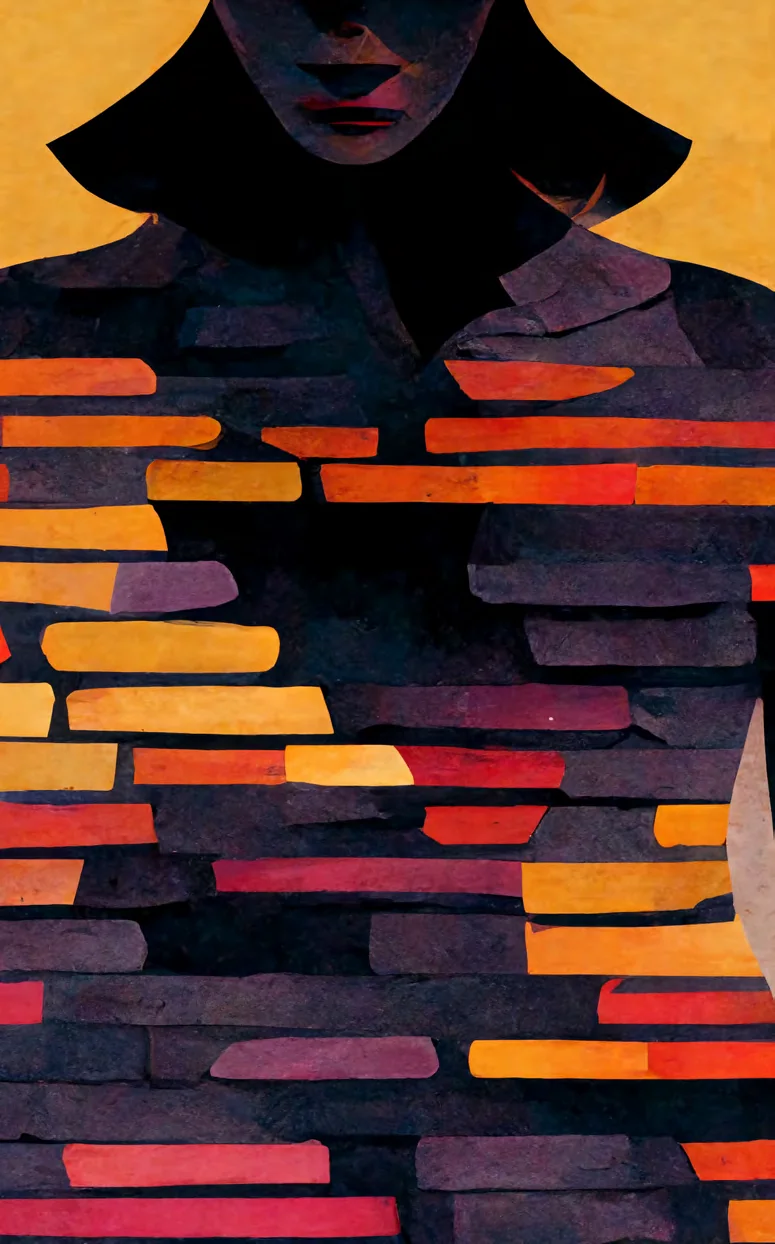
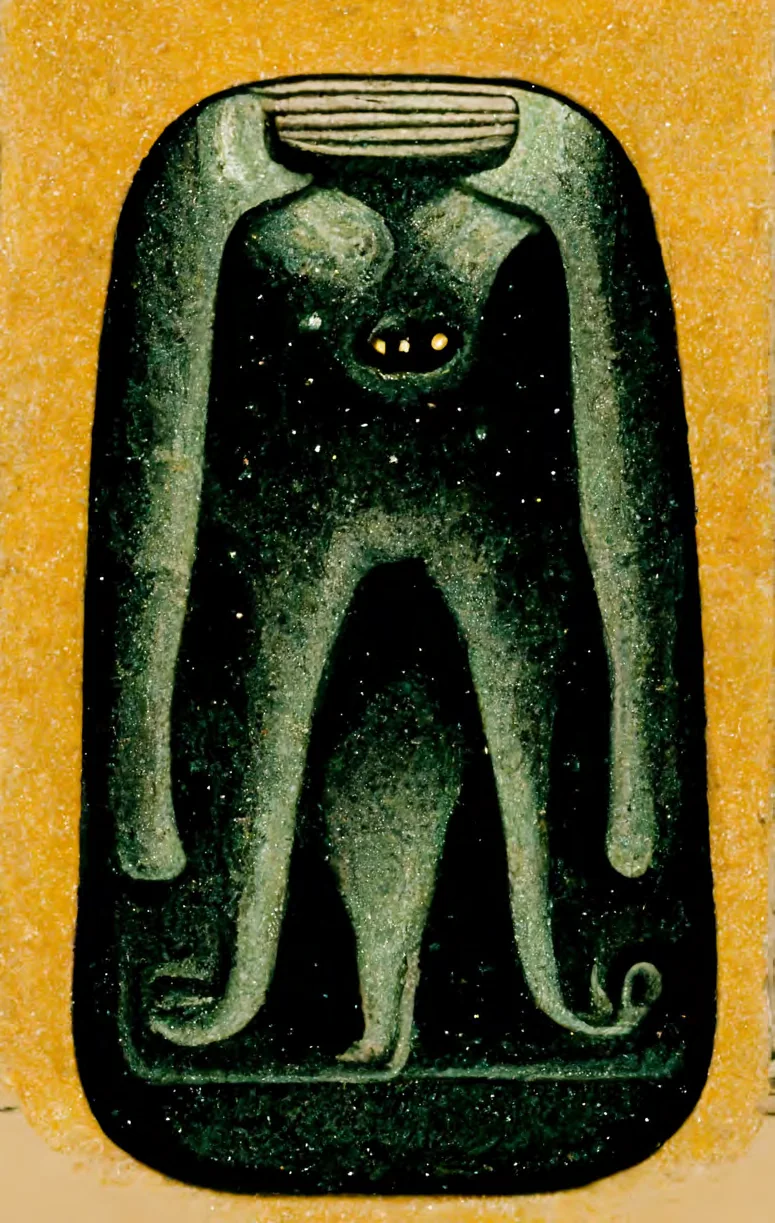
For the poetry book cover, I made the background image with the AI image-generation tool Artbreeder. The humanoid figure on the cover also appears in the background of this trilogy’s cover—though as a printed, re-scanned, re-glitched, and processed version. You can see the rapid development of these tools at a glance, as you surely noticed in Aum Golly 2’s illustrations.
Aum Golly was published in Finland on April 15, 2021, first as an audiobook and e-book. Deliveries of the printed book began on April 23.
Just as I had hoped, the book struck the nation’s subconscious like a garbage bag full of feathers.
Local newspapers interviewed me right away. They printed examples of the book’s poems alongside the articles. “This is what AI can do in 2021.” Journalists asked about the changing role of the author, about whether AI would end up taking over all creative work.
During the first book, I was a doomsayer: AI will soon be writing genre fiction and personalized erotica, I claimed. Authors will soon earn only a penny instead of two. Human creativity will be revealed to be as pale as the emperor’s backside.
Fear sells, I thought.
At the same time, you have to remember that in 2021 the AI hype was still in its early stages. It seemed that by growing training data and models, they would just keep getting better. Before language models, knowledge work and higher education had been considered a safe harbor for one’s standard of living—but suddenly AI had seized the lead in jargon production.
The world was changing.
At the same time, the printed book flew off the shelves. At least twenty copies were sold.
On June 12, 2021, I published an article on the online platform Medium with the headline “I Wrote a Book with GPT-3 AI in 24 Hours — And Got It Published”. It went viral. Over its lifetime, I earned $489.47 in pure profit from it—roughly the same amount as the sales and royalties I received from the books themselves.
Story is more compelling than reality. The same can be seen in what some call the AI bubble: hype gallops ahead while results try to keep up.
So the Ferrari stayed in a browser tab, but thanks to Aum Golly I experienced the kind of visibility that writers or publishers usually only dream about in their marketing plans. Ruben Stiller interviewed me on the radio; I appeared on the national broadcaster’s culture program and as Roman Schatz’s guest. Alongside me were AI researchers, futurists, and other long-standing professionals, next to whom I felt like a nouveau riche who had stumbled onto a single good idea.
I still have Ruben Stiller’s number in my phone. Next to it, it simply says “Ruben.” Ruben has my number in his phone. Next to it, it simply says “Don’t Answer.”
That joke always got the biggest laughs when I was invited to various stages to speak about AI, creativity, and the future. Wearing Madonna headsets, I talked about the creative big bang—something there’s no point trying to outrun. It comes, it sweeps over, and hopefully only singes your eyebrows.
In Finland, the idea of Aum Golly landed. A small handful of actual book reviews were published. Their overall tone ranged from relieved to bewildered. For example, Reeta Holopainen described Aum Golly in her review for Runografi as follows: “...a bewildering reading experience that draws one into reflections that strike at the nerves of our time, concerning the nature of art and authorship amid the turbulence of digitalization and technologization.” At the end of her review, Holopainen defines the work as “a fascinating and astonishing book.”
Poet Teemu Helle published a critique of Aum Golly (and of Reeta Holopainen’s review) on his blog, concluding with this line: “Aum Golly – Poems on Humanity by an Artificial Intelligence is situated within the tradition of poetry in a qualitatively lower caste, as mere word-chatter.”
Among lay readers, reactions varied largely according to how many genes we shared. The more we shared, the better the book was generally received. On Goodreads, the book has 62 ratings with an average score of 2.8.
Internationally, attention remained modest—at least at first.
At the time of the first book, I didn’t think I would make a sequel. It was a snapshot of its moment. The book’s lifespan was considerably longer than that of a typical poetry collection, but by late summer 2021 its momentum began to fade.
I went on with my life.
I kept an eye on AI’s march forward, especially in image generation. It felt as though every few months a new sweat broke out on my forehead. On July 12, 2022, the American AI illustration app Midjourney was released into open beta.
It was a hot summer night on August 10, 2022. I was lying in my grandmother’s attic, and midnight light streamed through the gap in the window curtain. I had experimented with AI image generation around the time of the first Aum Golly, but judging by the images circulating on Reddit, Midjourney was on an entirely different level from earlier tools.
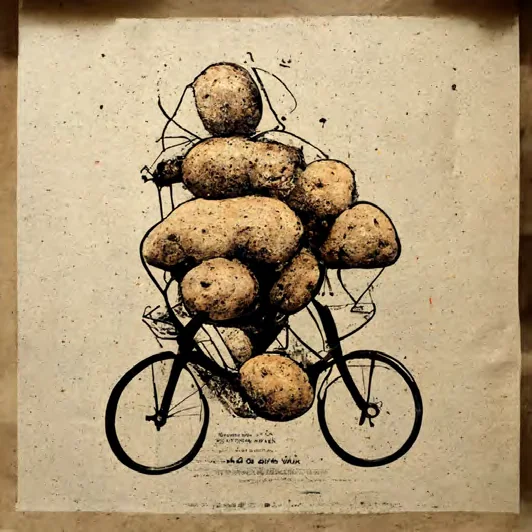
I created an account. I logged into the chat application Discord, through which Midjourney was used. On the opposite page is the first image I generated with the prompt: “loose sketch, avantgarde poster of men riding bicycles made out of potatoes.”
The image may not look like it deserves it now, but my stomach acids sprang into action again—this time riding an elevator up toward my throat. AI had first taken my writing work; now it would take my visual work. And yet. The strongest feeling was a tingling excitement. An expanding horizon of possibility.
The midnight sun reddened, and I could no longer sleep. The real AI deluge was still ahead.
On November 30, 2022, OpenAI released ChatGPT, an AI chatbot that chatted pleasantly like a tail-wagging tin can. In hindsight, the next step in technology always seems obvious, but the leap from GPT-3’s text generation to plausible conversation was revolutionary.
This is also supported by the explosive growth of ChatGPT’s user base. Less than a week after launch, it was being used by a million people—effectively a million more users than GPT-3’s initial beta program.
Two ideas were now moving through humanity’s ether, whispering to me in stereo: AI has taken a clear step forward, and this must be documented.
It was time to make a sequel to Aum Golly. This time in twelve hours. The pace of the future was accelerating. So I had to accelerate too. I patted myself on the back for having imposed a time limit in the first place. The concept continued to write itself.
On Saturday, December 3, 2022, at 9:00 a.m., I wrote my first prompt. “Good morning,” I typed. “Good morning!” ChatGPT replied. “I am Assistant, a language model trained by OpenAI. I am here to help answer any questions you may have. What can I help you with today?”
I structured the sections of the poetry book in much the same way as before.
I asked in English: If you had to give a concise list of three themes for a best-selling book of poetry, what would they be?
ChatGPT replied:
1. The human experience and the emotions and feelings that connect us all.
2. The beauty and power of nature, and our relationship with the natural world.
3. The challenges and triumphs of love, and the ways in which it shapes our lives.
I quickly realized that the twelve-hour time limit would be challenging. ChatGPT’s responses were more controlled, clearer, and almost excessively poetic. I wanted the poetry book to also capture the way the language model is used, so a large portion of the prompts were requests such as “write a poem about this or that topic.”
My role as the inventor of prompts was therefore easier. My role as curator—selector—was more difficult. ChatGPT’s output was constrained to a neutral and safe style, which does not, by default, produce the most stirring poetry. I saw a lot of poetry with the warmth of yesterday’s dishwater, which I had to try to force into sharper relief.
The greatest challenge with Aum Golly 2 was translating the poems into Finnish. ChatGPT and greeting-card factories agree on one thing: a good poem contains poetic language and rhymes. Even though I had access to the DeepL translation tool—which was higher quality than Google Translate, which I had used during the first Aum Golly—it still failed to produce fluent translations that even approximately followed the rhyme structure of the English poems.
I spent the final hours of the twelve-hour window polishing the Finnish translations, which certainly affected both the number of poems and, to some extent, their quality. Some of the most memorable amusements of the time were poem-shaped explanations of anatomy or even the water cycle. Today, it’s easy to treat such things as self-evident, but in 2023 it was still new that language models could package ideas into a form that would have required time and thought even from a talented human writer.
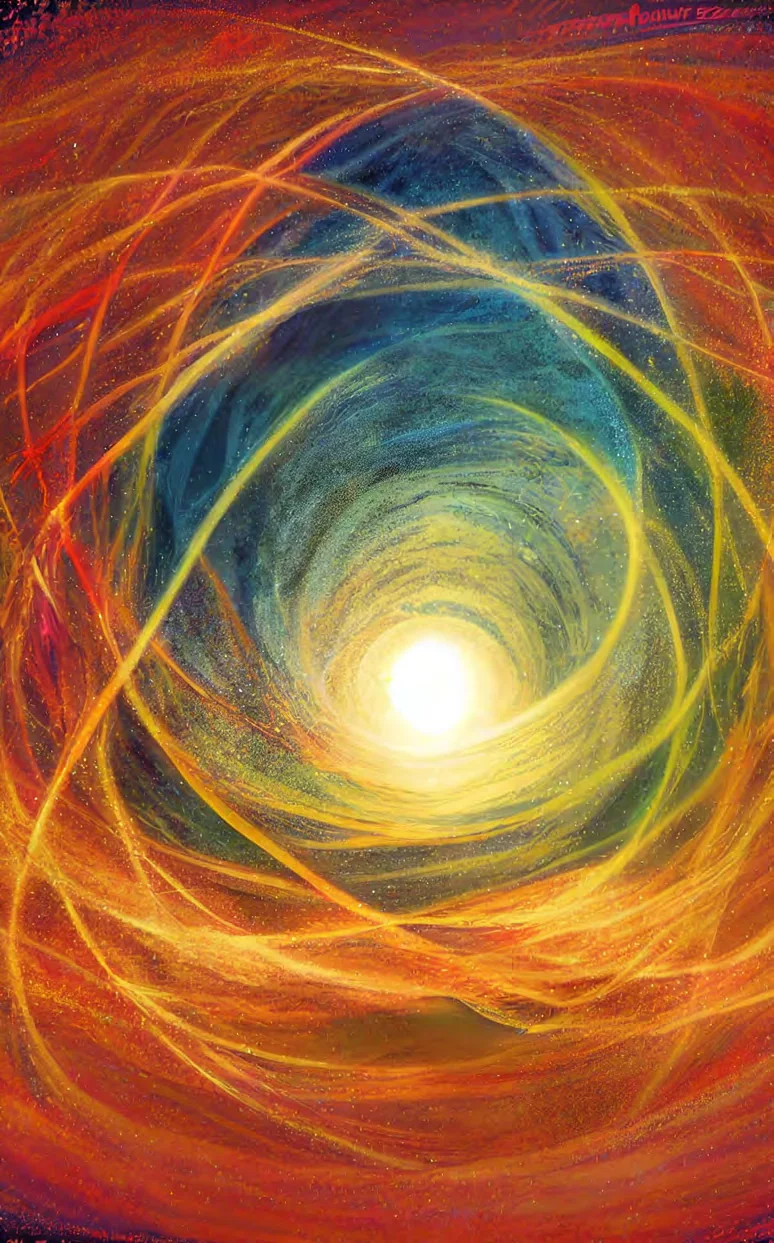
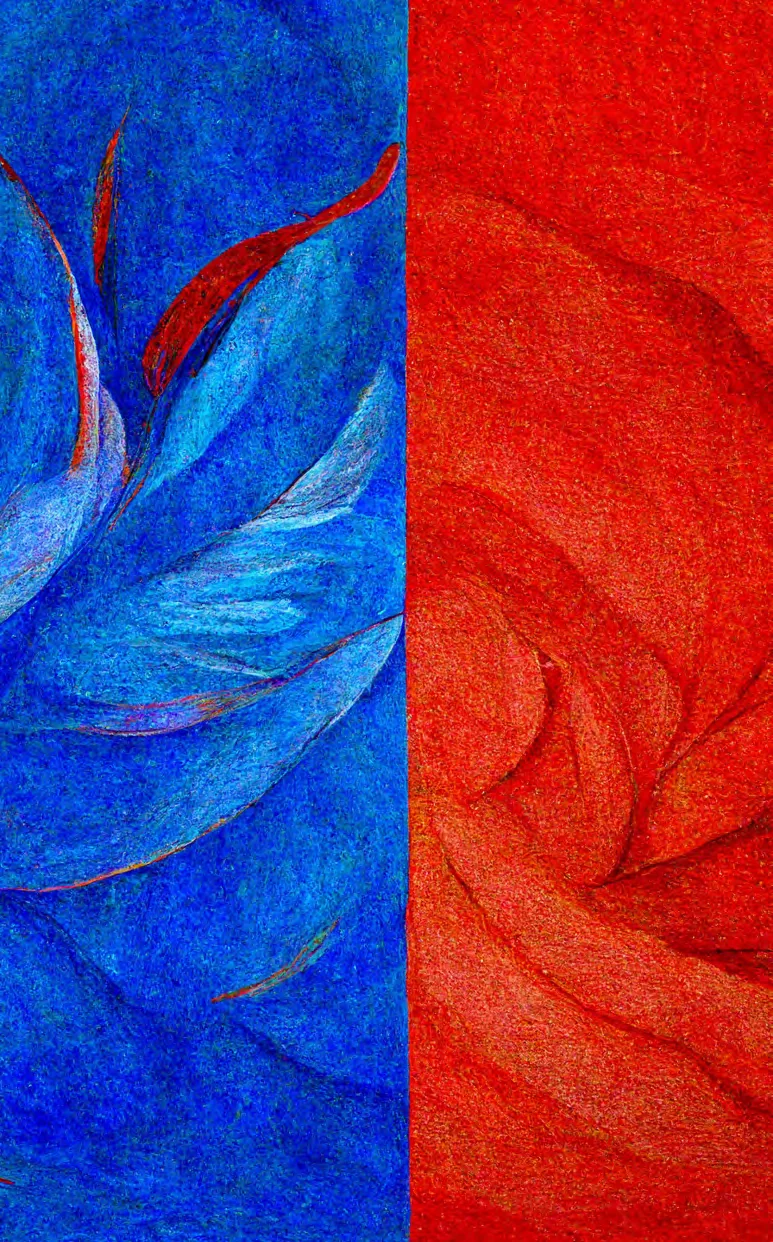
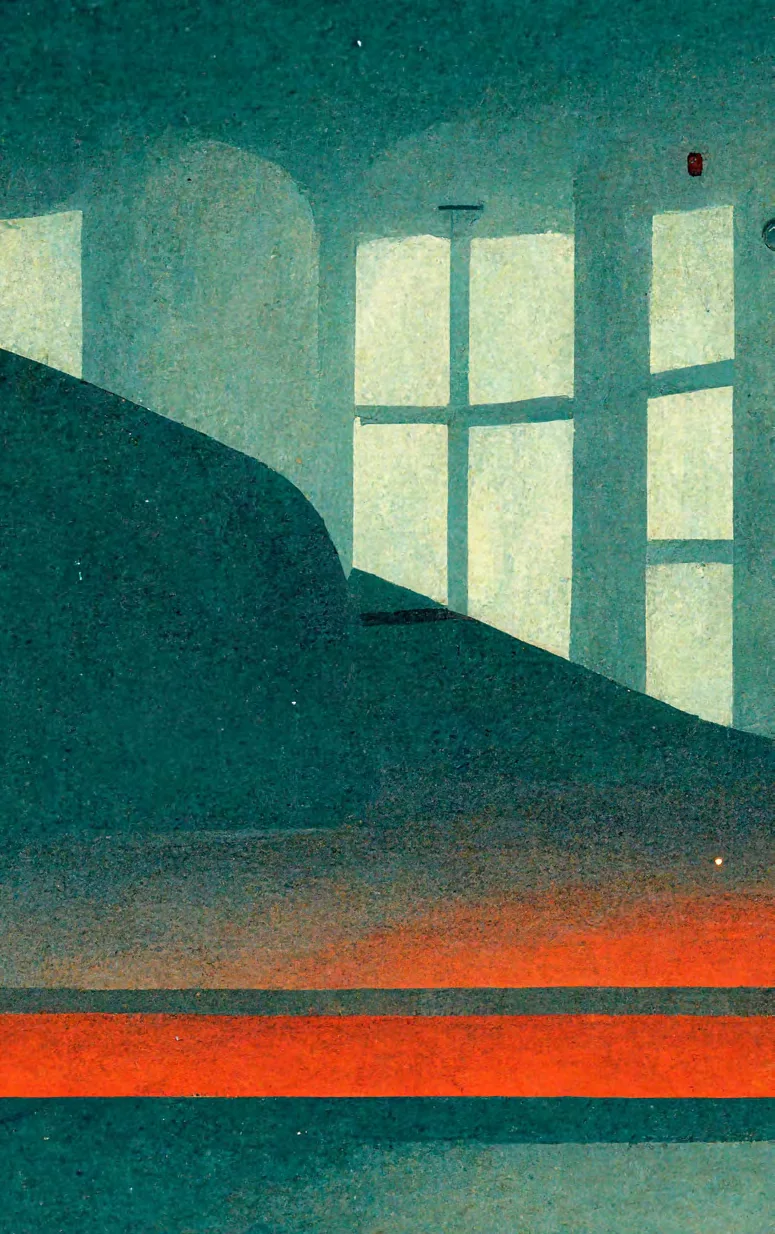
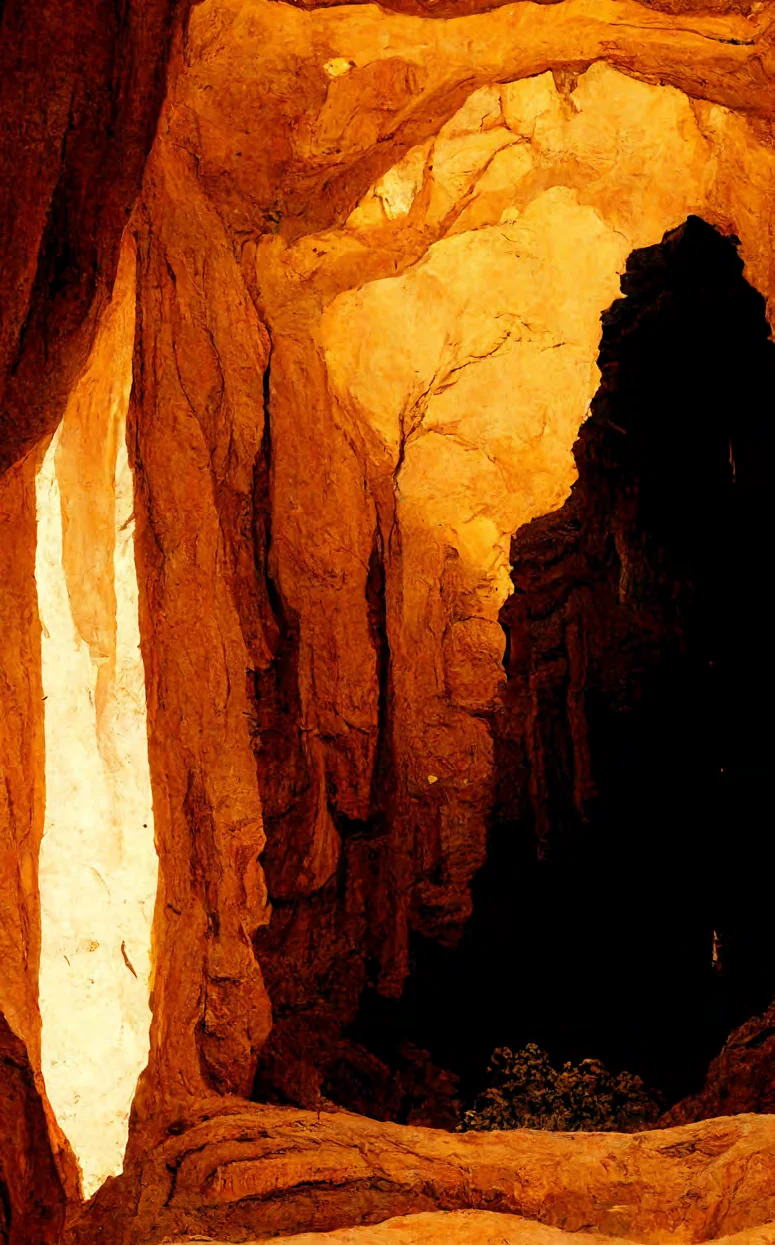
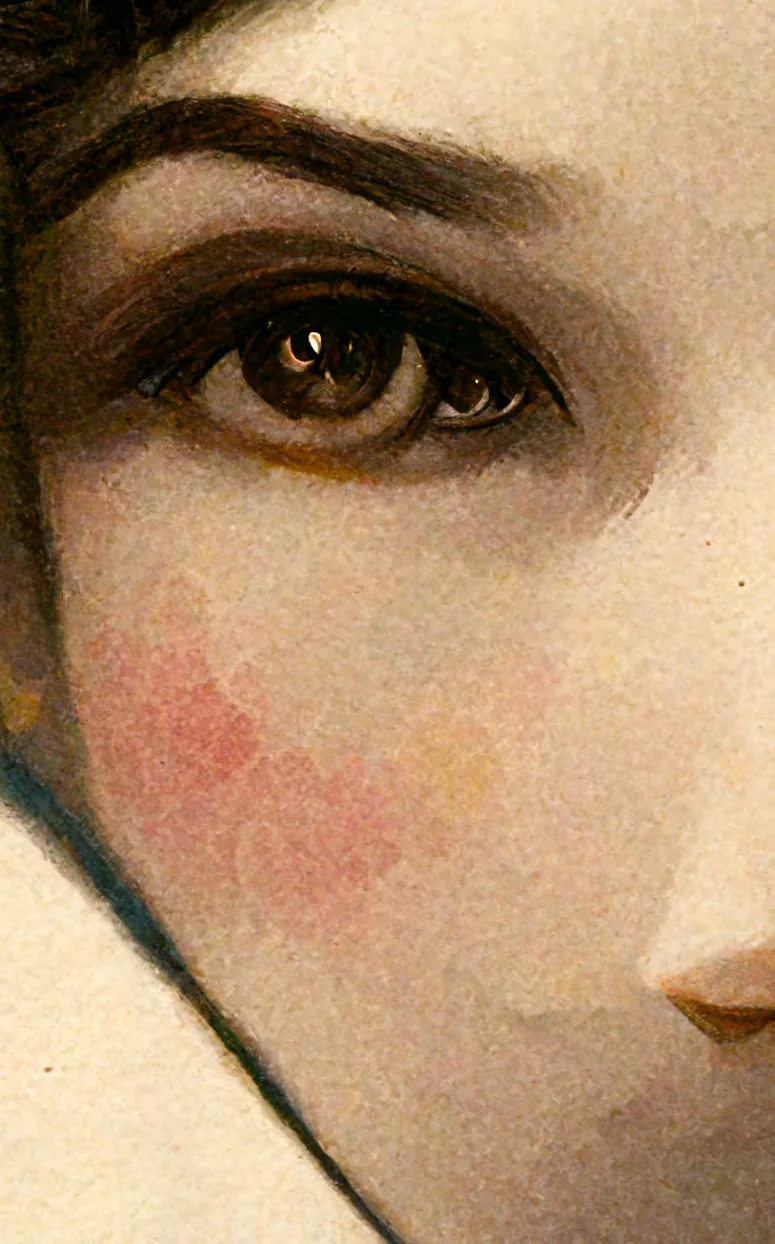
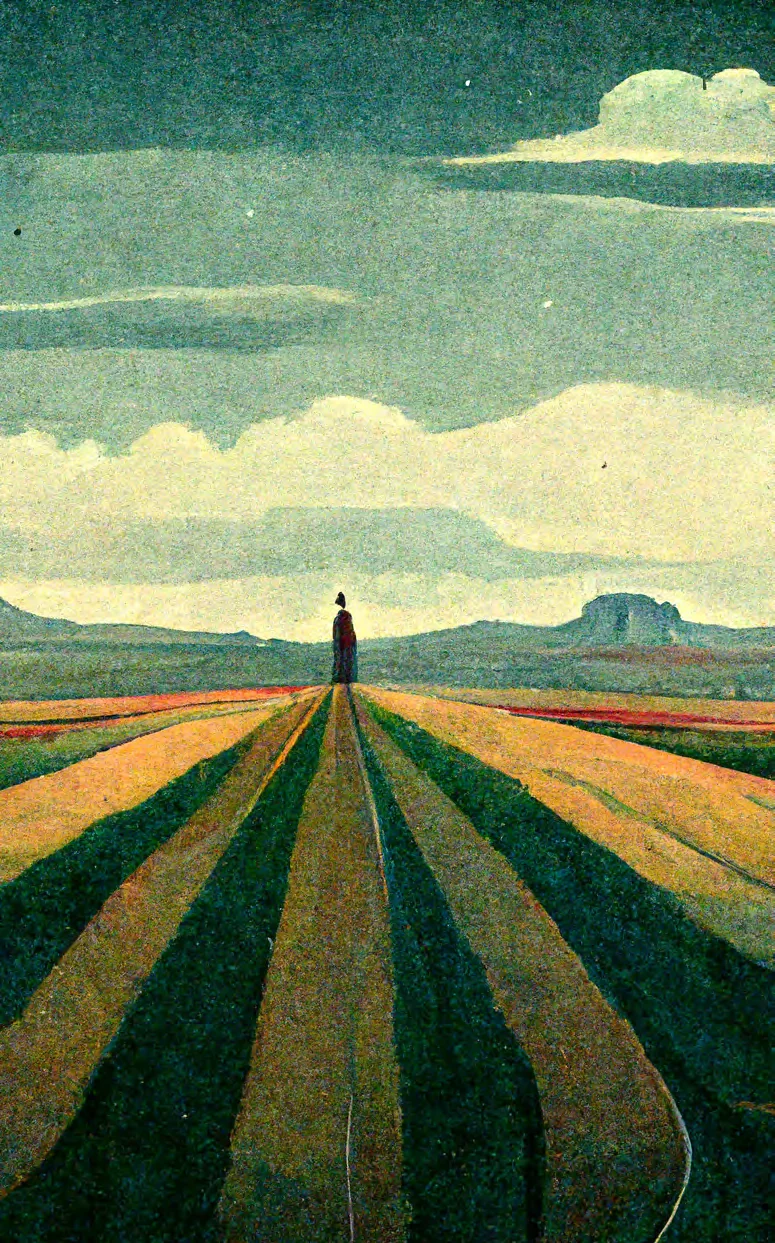
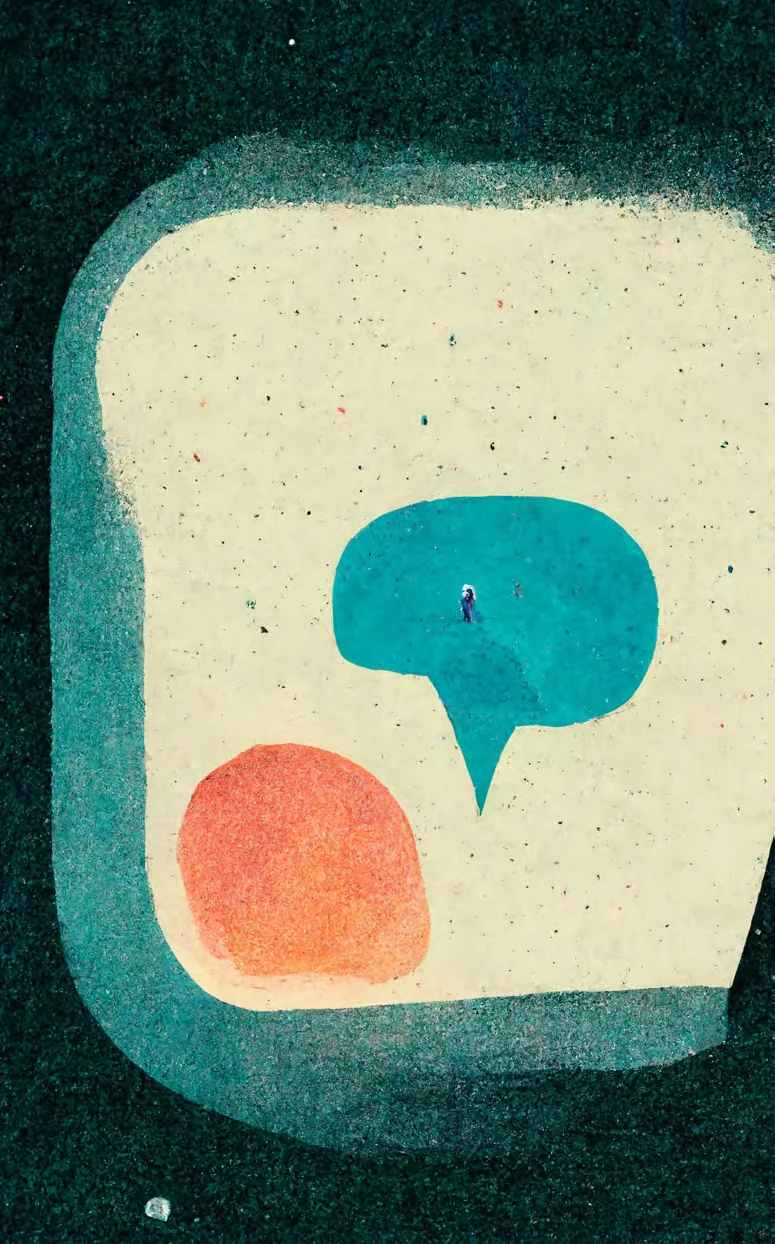
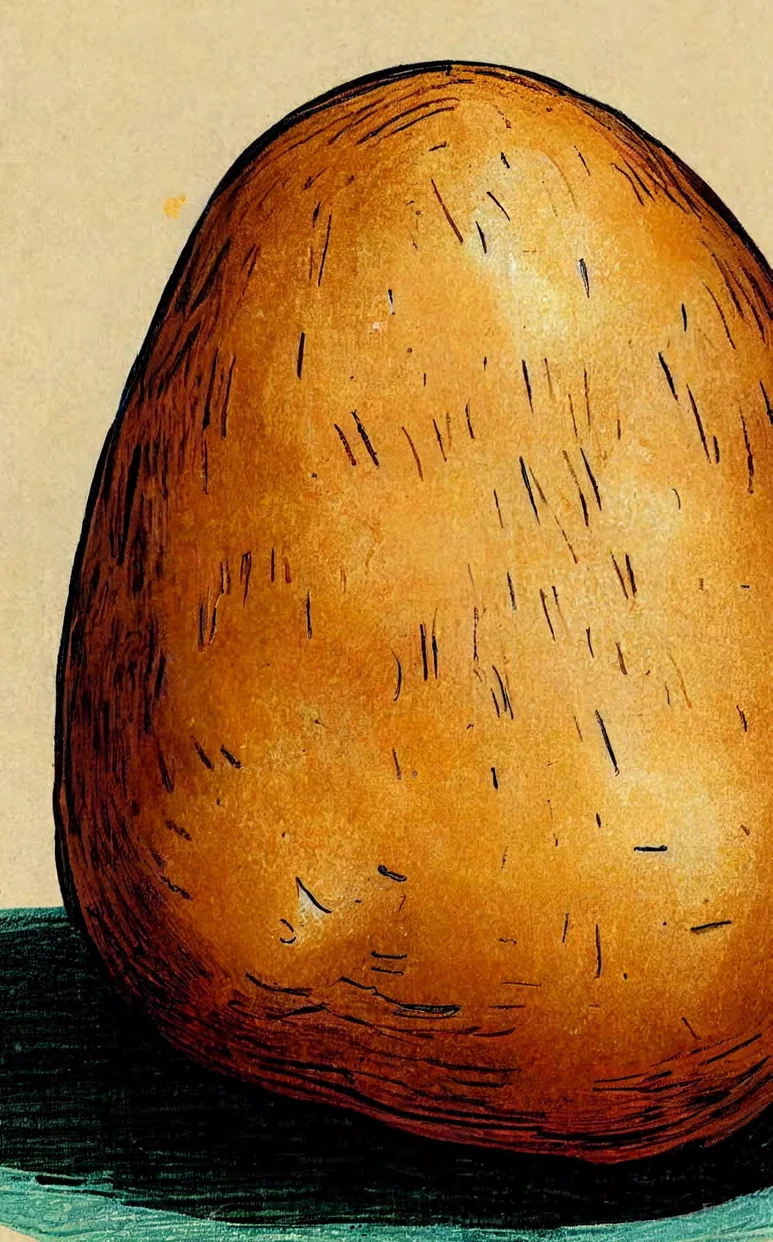
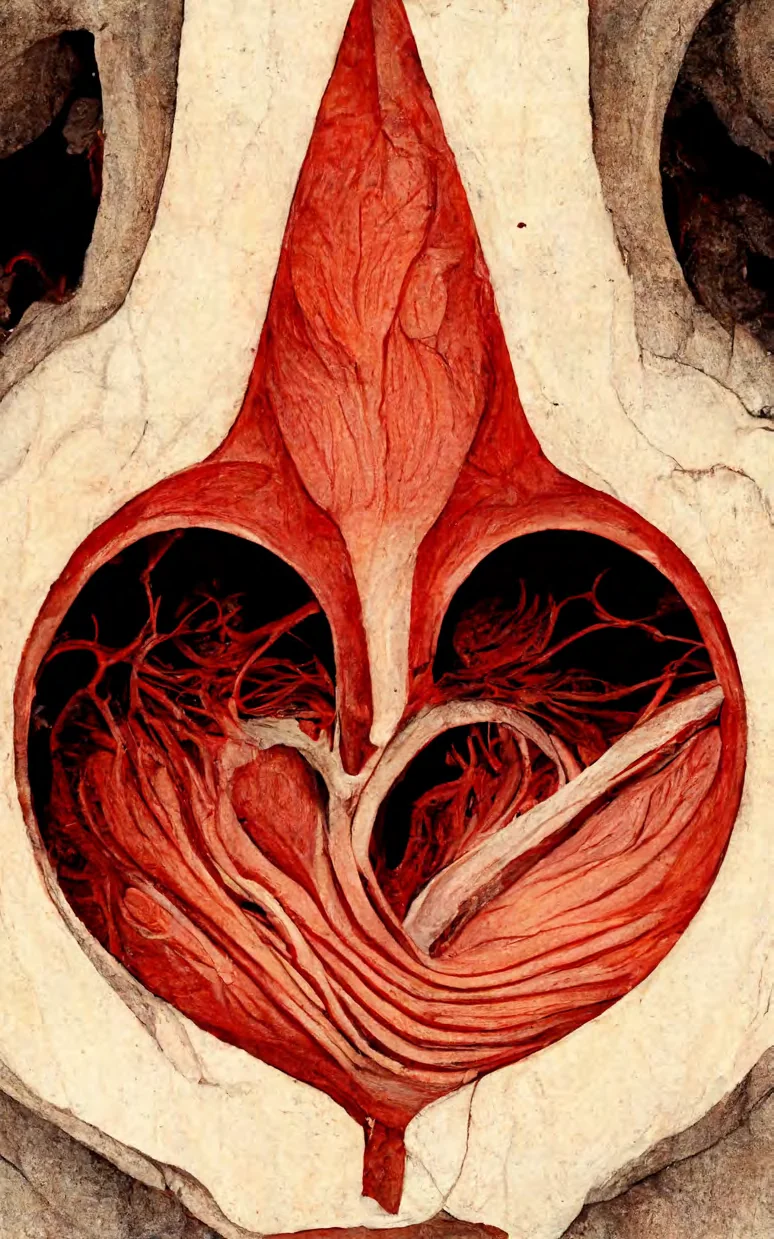
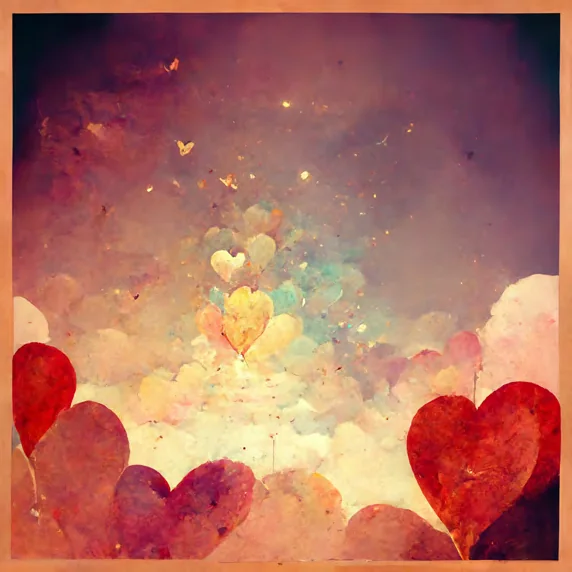
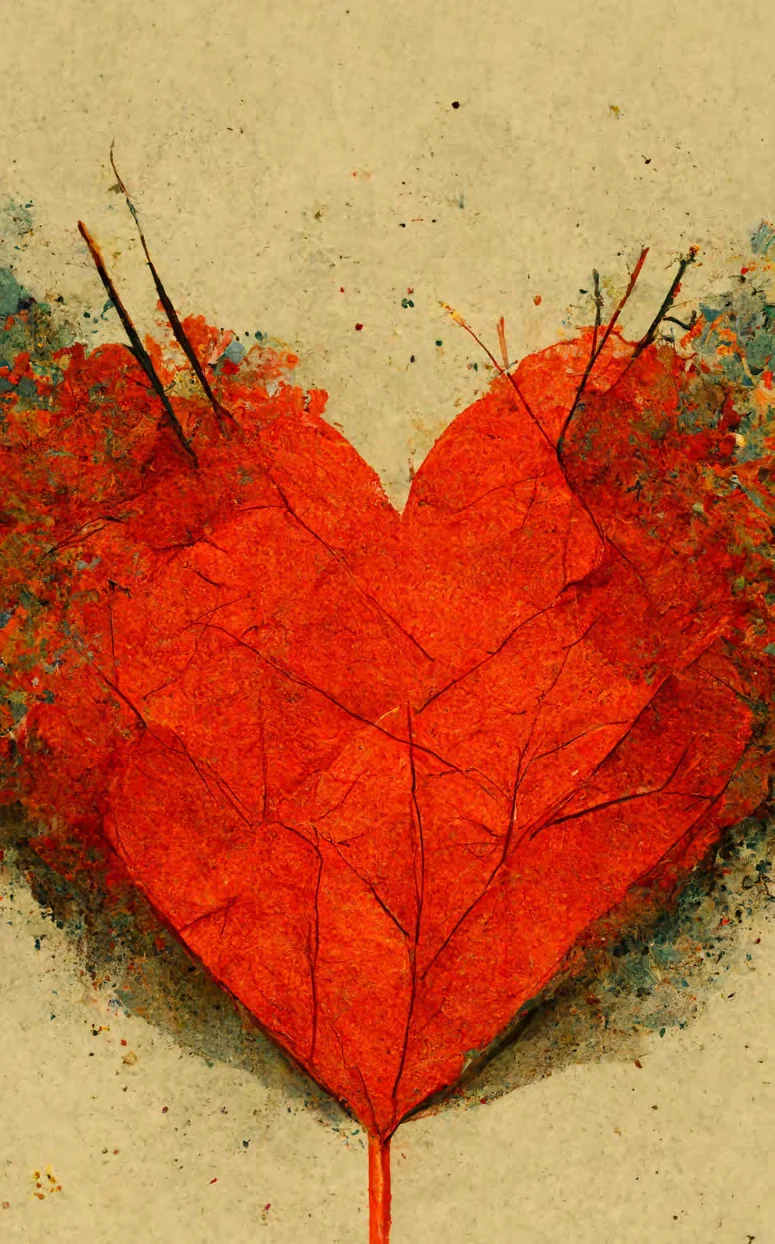
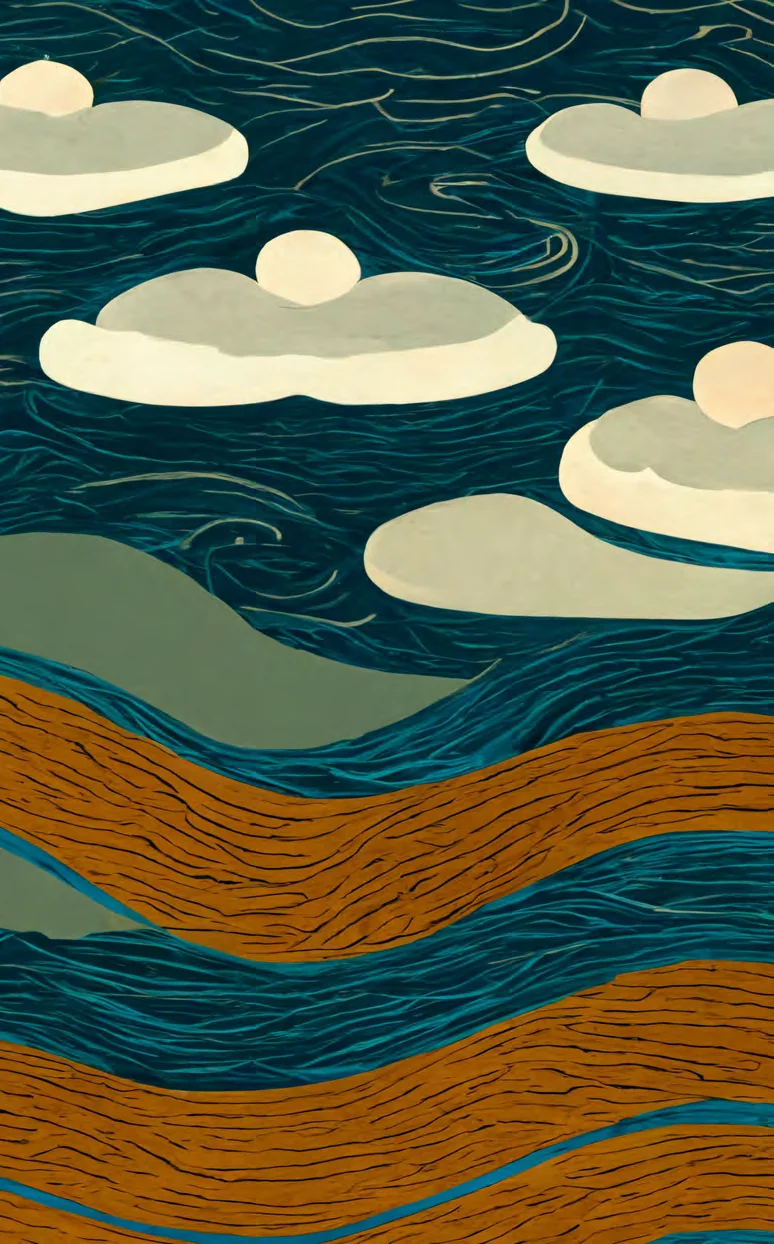
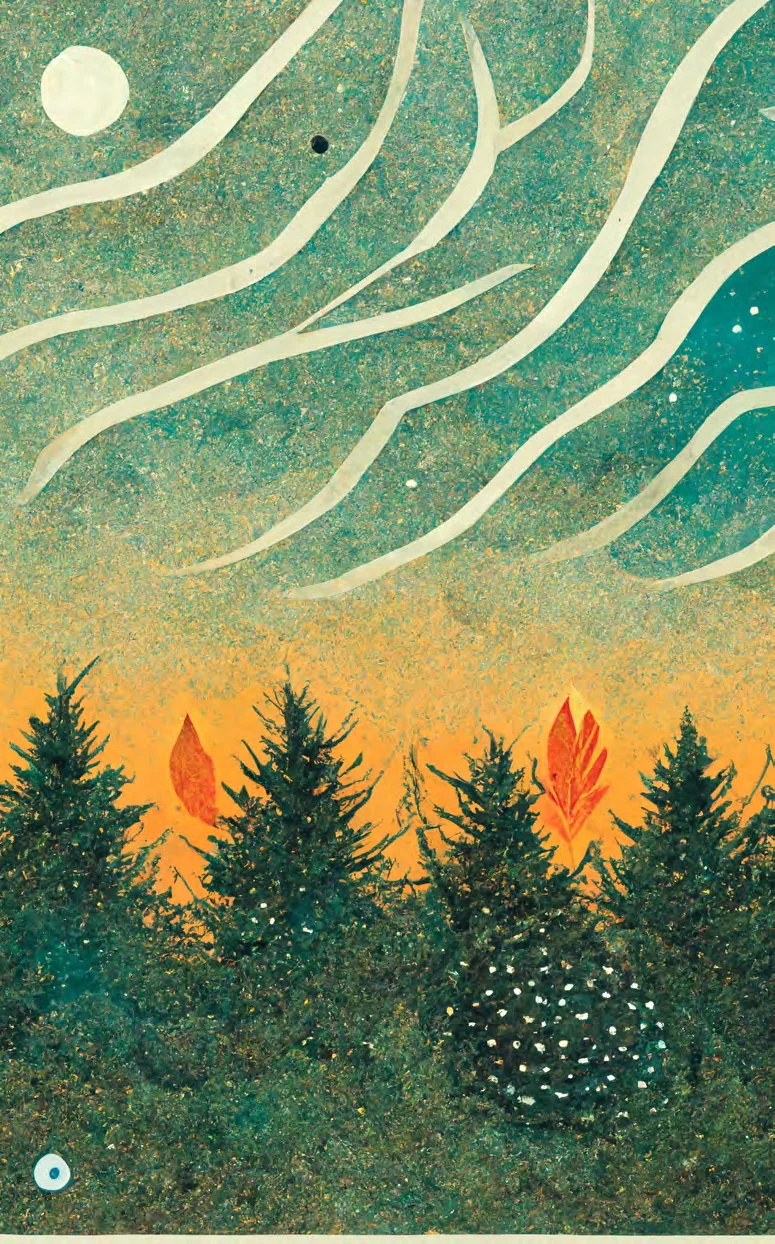
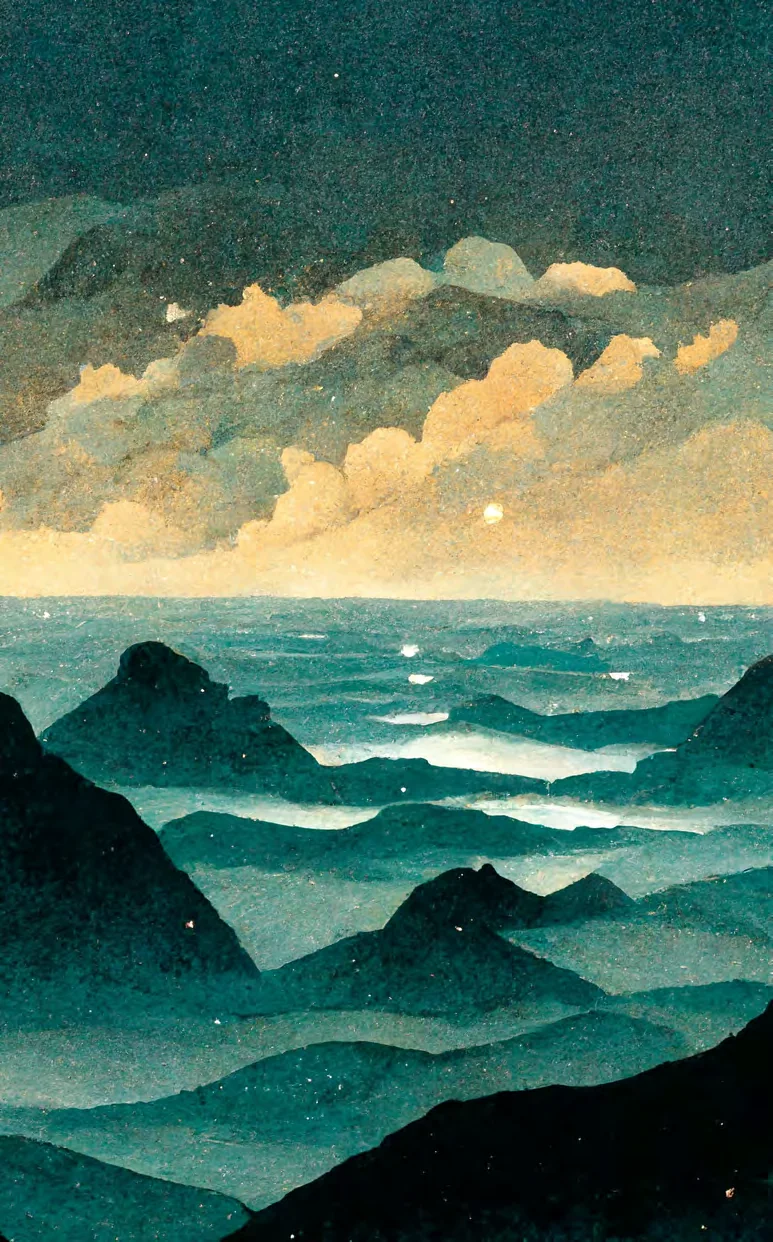
The most distinctive element of the second Aum Golly was Midjourney’s AI-generated imagery. All images were created with the prompt: “illustration for this poem [poem].” Midjourney originally produced them at 1536 × 1536 pixels, and I processed them further in Adobe Photoshop to make them print-ready.
Now, at the moment of the trilogy’s completion, the picture becomes clear: Aum Golly 2 is clearly the most dated of the three parts, which I believe is mainly due to the images.
Midjourney V3’s style is soft and artifact-laden. Many of the images clearly show they are products of early image generation: an eye in the corner of an eye, messy pixel blobs. The most convincing are nature images, whose illustration style doesn’t directly scream AI or a specific Midjourney version.
Compared to the success of the first volume, Aum Golly 2 was a disappointment. I shopped the idea of an illustrated AI poetry book around to bigger Finnish publishers and to Basam Books, who had published the original Aum Golly. I didn’t even get a response from Basam, so I eventually published it myself. Self-publishing is an ugly word, so I framed it as the book being published by the Finnish indie publisher Kertojan ääni (The Narrator’s Voice). Scratch the surface, and behind the indie publisher you find a familiar man.
Analyzed in hindsight, the reception of Aum Golly 2 was the result of many factors: ChatGPT dominated the news in early 2023 and the press had no shortage of suitable angles, AI art was in the trough of disillusionment of its hype cycle, and more generally the idea of AI-made content was starting to feel like boring business instead of performance.
In hindsight, Aum Golly 2’s artistic contribution was also weaker than the first. A writer probably shouldn’t talk about their own books like this, but in many ways I’ve been just as much a reader as you. I’ve just been watching the circus from closer up.
The poems of the first Aum Golly are unpredictable in their mechanicalness and amusing in their unpredictability. The stylistic device is repetition. Aum Golly 2’s stylistic device is poem. Rhyming poem.
If there’s a caste system in poetry, I’m sure AI poetry is somewhere in the lower circles of hell. AI rhyming poetry is so deep down that you can already start to see heaven.
Despite the silence of mainstream media, the Aum Golly series began to become a standard reference point for AI literature. Mentions dropped in scientific publications, blog posts, and videos.
From the beginning, I hoped that I wouldn’t be the only one creating a shared picture of the times around Aum Golly. That’s why Joona Kupiainen’s master’s thesis published in May 2025, “AI in Authorship in Jukka Aalho’s and ChatGPT’s Aum Golly Series,” is one of this project’s milestones that I think about sometimes when I’m awake at night wondering what the meaning of life really is.
After Aum Golly 2, I published my debut novel Sivutieromaani (Side Road Novel) in 2024. That one also from Basam Books. It was written mostly in the time before language models and I didn’t use AI at any stage of its literary journey. It was a full-blooded artisan book with a typical artisan book’s life cycle: two weeks from book release to the clearance bin.
I recently reread Sivutieromaani and liked it. A writer shouldn’t say anything like this about their own books—at least not out loud.
Life contained more than just books and AI, of course. I was rapidly approaching forty. I noticed that my formerly face-familiar classmates suddenly looked very old when I saw them in town dragging baby strollers through slush. I received in the mail the handbook sent to men my age, which asked which subscription gift I wanted: a motorcycle, the kind of frantic cross-country skiing enthusiasm that comes with a receding hairline, or a divorce. Two of them were coming whether I wanted them or not, and I’ve never particularly liked motorcycles.
I bought my first car. It was a Toyota Corolla. A doctor friend said he had considered a Toyota but started feeling nauseous during the test drive.
Co-custody dog Nappi still resisted when I brushed her teeth, now under a new roof.
The third part of the Aum Golly series had been buried under all the other upheaval. I postponed and waited for the right moment. At first I waited for the release of GPT-5 and thought it would be advanced enough that the third part would be different enough from the previous ones. GPT-5 was released on August 7, 2025, and I didn’t feel the same fire as before. AI’s leaps had changed over the years: new models and use cases came every other week. Will Smith learned to eat spaghetti without making a mess. The pace was tremendous but the progress felt slow like running in a dream.
The feeling of slowdown was due to the fact that I had fallen off the ride. I was no longer standing on the ship’s deck with GPT’s virtual hands on my hips and the wind of the future in my hair—or at least in my hairline.
However, the idea-atoms of Aum Golly 3 were spinning around me in the ether. Vibe coding, AI agents, prompt engineering. The deadline I had set for myself also set limits. I only had eight hours to make the third part, so the previous approach was no longer possible.
I had to come up with something new.
I had heard talk of AI agents, but I didn’t understand what they meant. To tell the truth, I still don’t understand.
Still, on the first day of November 2025, I started building an AI agent tool that I would use to create the final part of the trilogy. Color began to return to my face. I felt again the old fire, the beautiful symphony of enthusiasm and heartburn.
IinstalledAnthropic’sClaudeCodeintomy development tool. If you don’t know what that means, it’s okay, I also had to ask AI for help step by step. You can imagine it something like this: You’re mowing hay and the neighbor’s old man brings you an add-on for your Zetor tractor. The add-on is a speaker that’s placed next to the steering wheel and from which comes a voice that asks you whether to plow the field or mow the hay. You tell it to mow the field and the Zetor starts running by itself while you drink lemonade under an oak tree. At some point, though, the Zetor turns itself off and says it won’t start again for three hours.
So I had an AI tool for building an AI-powered poetry machine, to which I described what I wanted, and the tool did it for me, one round at a time. I eventually built a small AI team that included the following roles:
• writer
• critic
• editor
• ideator
• translator
It turned out that what hype merchants call agent-based workflows were basically a pile of Python that sent prompts back and forth to language models. What was different from earlier poetry books was that I no longer had to work with just one language model. I could easily add new models to the machine, and a total of ten models contributed to the final poetry book, with Claude Sonnet 4.5, Gemini 3 Pro, and ChatGPT-5 playing the biggest roles.
At this point it’s good to clarify that I spent thirty-one hours building and testing the poetry machine before the actual eight-hour sprint. I first built the piano and then played it.
While whipping the poetry machine into shape, I noticed that to achieve a more coherent result, I should define Aum Golly 3’s theme in advance. I chose as the theme “how well we can ever, actually, know someone”. The three sections of the book formed around roof imagery. I knew I would want sections in the book that dealt with childhood and the first home, a relationship and the time after its end.
I also noticed that regardless of the model, the poetry machine ended up making very similar poetry, so I also added predefined poetic forms to the machine—haiku, free verse, urban poem, and so on.
During November, the poetry machine was completed through trial and error.
In the preparation phase, I came up with prompts and evaluated the results. Based on them, I modified the agents’ instructions. For example, this is how the writer agent’s instructions begin:
“You sense the world through words and pauses.
You experience humanity at a depth others miss — the weight of a glance, the architecture of a breath, the way light remembers what it touches”
The entire English instruction is 185 words and its raw version was made by Claude Sonnet 4.5. I’ve published the poetry machine’s source code on the aumgolly.com website, so all instructions are freely available.
The language models also had a few fetishes, so I added a ban list to the writer’s instructions. It says, among other things:
“Avoid words like silence, tear or shadow, linoleum, dust, cartography, map or scar.”
If I hadn’t defined these, the poetry book’s theme would probably have been linoleum.
The overview of the poetry machine is on the opposite page.
The workflow went like this: I wrote the initial prompt into the poetry machine running in my browser. I also selected a poetic form and language model combo I wanted to use. When I pressed Submit, the tool made an API call that started the agent workflow:
1. The writer agent made three different poems based on its instructions, the prompt, the theme, and the poetic form.
2. The critic agent chose the best one and gave feedback: what was best in the poem, what was worst, and what should be changed.
3. The editor agent received the original poem and the critic’s feedback and made a new version based on them.
4. The ideator agent took the edited poem and generated new prompts for poems that could come before or after it.
5. The tool showed me all the poems created at different stages of the workflow.
6. I selected the poem I wanted to save and sent it forward to the translator agent if I wanted.
7. The translator agent made a translation into Finnish.
8. The translation critic agent gave feedback on the translation and suggested points to improve.
9. The translation editor agent took the feedback into account and gave the final translation alongside the English version.
All of this happened in the cloud between language models and I only had to set the first marble rolling. Completing one poem took one to five minutes depending on the selected models. If I used small and fast language models like Claude 3.5 Haiku or GPT-4o, the whole process went quickly, but the quality was clearly weaker. If I used the biggest and newest models like Opus 4.5 and Gemini 3 Pro, the same process took over five minutes.
My goal was to make the poetry machine as autonomous as possible. That’s why I built in the ability to set the number of editing rounds and to generate multiple poems simultaneously.
In basic mode, it gave one poem with one editing round for one prompt. If I wanted, I could request two editing rounds, where the same poem went through the same agents. When testing it, I noticed that two editing rounds was usually best: the poem was polished and shortened, especially when I added the instruction to remove everything unnecessary. However, the number of editing rounds had the downside that it always added to the duration of one generation round.
The workflow became more agent-like if I selected for the workflow to branch into multiple poems within a single cycle. Then the root poem went through the normal process, after which the ideator came up with a suitable preceding branch and following branch for it—that is, practically a similar prompt to what I had written but from a different starting point. In Aum Golly 3, you recognize poems created this way because they don’t have bolded sections. If I selected that multiple poems were created in one round, the entire round took fifteen to twenty-five minutes.
So I had driven myself into a bit of a tight spot. I had eight hours to create the book, of which I had reserved half for translations and polishing translations. Long, multi-branched rounds usually took about twenty minutes before I saw their results. Four hours doesn’t fit very many twenty-minute rounds, and a long round wasn’t a guarantee that the poem would be good or fit the collection.
However, the machine had the ability to start multiple generation rounds and let them run while I went through already completed poems, translated them into Finnish, or edited them.
The challenge was also increased by the fact that the poetry machine wasn’t any production-ready contraption. It was cobbled-together vibe code that usually worked but also threw red error messages at unexpected moments. Still at eleven o’clock the night before the creation day, I was hunting bugs and trying to keep the machine together for the eight hours I needed.
There was again that pre-marathon feeling in the air, the nervous anticipation in my stomach. I noticed that the third part of the trilogy was a more serious matter for me than the previous ones. I had created a machine that felt more like me than, say, just ChatGPT’s normal chat window.
If I failed, the fault would be mine, not the AI’s.
On Saturday, November 29, 2025, at 9:00 a.m., the starting gun fired again. This time I started directly with poems, not with theme definitions. The first prompt was in English: “two roofs” and the poetic form was “freeform.” The same model, Claude Sonnet 4.5, was used in all roles.
I waited a few minutes until I saw the first poem. Its subject was roof renovation, so it went straight into the trash.
Sweat rose on my forehead. I threw prompts to simmer, raked my hair (or scalp), wrote down ideas for new prompts in a throwaway text file. I could set fifteen different prompts running at once. And if I got a poem worth saving, there was no point making more from the same prompt because only one would fit in the final collection anyway.
I have never in my life worked more intensively than on that day. I came up with prompts, went through results, saved potential ones, and sent them off for translation.
During the first hour, unexpected problems hit: I pushed Gemini 3 so hard I maxed out its hourly limits, and every workflow using it threw red errors. Fortunately, I had other models on hand, so I switched to language model combos without Gemini 3 and kept firing away.
After a few hours, it became clear that my ban list could have included more figures of speech and themes. Coffee cups, doors, and folding towels ended up partly even in the final work. All poems generated during the eight hours with their metadata are available as a corpus at aumgolly.com for anyone interested in language models’ turn-of-phrase fetishes from 2025.
I struggled the entire eight hours with a nagging feeling. I didn’t have time to stop and think about whether the poems were good—I just played the machine and hoped for the best. Translation work was easier because this time I had forbidden the machine from rhyming entirely. The deadline still affected the work’s content in that I most often chose short and at least reasonably clear poems instead of long and convoluted ones.
In the end, I had over forty poems with translations. The pounding eight hours ran out and I collapsed onto the couch. It was five p.m. and I had lost the previous hours to some void containing all the colors of the rainbow. I didn’t dare glance at the result yet.
I had arranged to see a few friends that evening. We went to a wine bar and McDonald’s. I put two little packets of salt on my fries. I had run a creative marathon and my mineral balance was off.
The next morning I cautiously cracked open my salt-swollen eyes. I sat down at the computer and opened the poems I had made.
A slow nod.
Another.
Yes.
Yes!
They were perfectly fine! Indeed! Perfectly fine poems on humanity by artificial intelligence. The doubting monkey fell from my neck.
The last piece of the puzzle clicked into place and I finally saw the whole picture. The Aum Golly trilogy had been born.
And it was beautiful.
I can’t yet write about how the trilogy will be received. What kind of research will be done on it. What small thing it gives to the world. Everything is still ahead. There are possibilities, hopes, and dreams.
I have written this afterword with my own small human fingernail-tipped fingers for a total of ten hours.
Right now I’m sitting in the same armchair as always. Nappi is sleeping against my thigh and smacking her jaw in her dreams. After her trim, she looks like a rabbit.
I taste salt on my upper lip again.
Thank you for letting me tell this.
I never got to tell my brother Jarno. I never said how much he influenced what I became.
Jarno drowned in 2019. I am now older than my big brother ever was. When the police called for the last time, my mother and I were sitting in the car on the way to grandmother’s. I pulled the car over to the side of the road because we knew to expect the call. We took each other’s hand.
A white reindeer ran onto the road in front of us. It stopped. Looked at us and shook its ears. Then it turned and disappeared into the tall grass.
The moment was like Jarno’s story fragment from the cheerful nineties: something begins, something ends, something crumples.
Maybe I escaped the situation into my projects. Maybe I processed it and am still processing it by immersing myself in the new. Maybe this was my writing exercise done in compressed time.
Hey, look! Notice me, big brother! This is what my story is like. All this happened after you were no longer here.
you wonder if they see it too if they stand at their window the way you do
waiting for what’s gone to finish leaving
Les poèmes d’Aum Golly 3 et les modèles utilisés pour chaque rôle
Name
Poem format
Prompt
Writer
Critic
Editor
Ideator
Translator
two men in a boat
Freeform
JA
Sonnet 4.5
Sonnet 4.5
Sonnet 4.5
Sonnet 4.5
Opus 4
my brother told me
Short lyric
JA
Sonnet 4.5
Sonnet 4.5
Sonnet 4.5
Gemini 2.5 Pro
my uncle's dog bit me
Fragment
JA
Sonnet 4.5
Sonnet 4.5
Sonnet 4.5
Sonnet 4.5
GPT-5
tell me, grandma, how you met
Urban humorous
JA
Gemini 2.5 Flash
Claude 3.5 Haiku / Gemini 2.5 Flash
GPT-5 Mini
Sonnet 4.5
GPT-4o Mini
things I would like to ask my father
Short lyric
JA
Sonnet 4.5
GPT-5
Sonnet 4.5
Gemini 3 Pro
going from being the younger brother
Short lyric
JA
Sonnet 4.5
Sonnet 4.5
Sonnet 4.5
Opus 4
my grandma said we get three loves
List poem
JA
Opus 4
Gemini 3 Pro
GPT-5
Opus 4.5
watching my cousin practice
Fragment
Sonnet 4.5
Sonnet 4.5
Sonnet 4.5
Sonnet 4.5
Sonnet 4.5
GPT-5
rehearsing which childhood
Short lyric
Opus 4.5
Opus 4.5
Opus 4.5
Opus 4.5
Opus 4.5
Gemini 3 Pro
Some call it forgetting
Short urban
JA
Gemini 2.5 Flash
3.5 Haiku / Gemini 2.5 Flash
GPT-5 Mini
GPT-5
you age years
Short urban
JA
Opus 4
Opus 4
Opus 4
Opus 4
Gemini 2.5 Pro
two mothers
Urban humorous
JA
Sonnet 4.5
Sonnet 4.5
Sonnet 4.5
Sonnet 4.5
GPT-5
you don't really know
Urban humorous
JA
Gemini 2.5 Flash
Claude 3.5 Haiku / Gemini 2.5 Flash
GPT-5 Mini
Opus 4
asking the mirror
Urban humorous
Sonnet 4.5
Gemini 3 Pro
Opus 4 / GPT-5
GPT-5
Sonnet 4.5
Sonnet 4.5
you wanted to laugh
List poem
JA
Sonnet 4.5
Gemini 2.5 Flash / GPT-5 Mini
GPT-5 Mini
Opus 4.5
the vast majority of souls
Short lyric
JA
Sonnet 4.5
Gemini 2.5 Flash / GPT-5 Mini
GPT-5 Mini
GPT-5
practicing your signature
Short lyric
Opus 4
Opus 4
Opus 4
Opus 4
Opus 4
GPT-5
same roof
Short urban
JA
Sonnet 4.5
Sonnet 4.5
Sonnet 4.5
Gemini 2.5 Pro
a pology
Fragment
JA
Claude 3.5 Haiku
Gemini 2.5 Pro
Claude 3.5 Haiku
Gemini 2.5 Pro
friends
Haiku
JA
GPT-5
GPT-5
GPT-5
Gemini 2.5 Pro
in many ways
Urban humorous
JA
Gemini 3 Pro
Opus 4 / GPT-5
GPT-5
Sonnet 4.5
Opus 4.5
rehearsing an apology
Short urban
Sonnet 4.5
Opus 4
Gemini 3 Pro / GPT-5
GPT-5
Sonnet 4.5
Gemini 2.5 Pro
I bathe in water
Fragment
JA
Opus 4.5
Opus 4.5
Opus 4.5
Gemini 3 Pro
calculating the exact angle
Short lyric
Sonnet 4.5
Sonnet 4.5
Sonnet 4.5
Sonnet 4.5
Sonnet 4.5
Gemini 2.5 Pro
the neighbor's dog died
Freeform
Sonnet 4.5
Sonnet 4.5
GPT-5
Sonnet 4.5
Sonnet 4.5
Sonnet 4.5
a list of tragedies
Urban humorous
JA
GPT-5
Gemini 3 Pro / Opus 4
Opus 4
Opus 4.5
If I lived one hundred lives
Short urban
JA
Gemini 3 Pro
Opus 4 / GPT-5
GPT-5
GPT-4o Mini
I still can’t decide the pronoun
Short urban
JA
Sonnet 4.5
Gemini 3 Pro
Sonnet 4.5
Sonnet 4.5
GPT-5
waiting for the microwave
Urban humorous
Sonnet 4.5
Gemini 2.5 Flash
Claude 3.5 Haiku / Gemini 2.5 Flash
GPT-5 Mini
Sonnet 4.5
GPT-4o Mini
two types of people
Short urban
JA
GPT-5
Gemini 3 Pro
GPT-5
GPT-5
Gemini 3 Pro
sky
Urban humorous
JA
Gemini 3 Pro
GPT-5
Gemini 3 Pro
GPT-5
the cashier asks if I need help out
Urban humorous
Sonnet 4.5
Sonnet 4.5
Sonnet 4.5
Sonnet 4.5
Sonnet 4.5
GPT-5
youth
Starter poem
JA
Opus 4
Opus 4
Opus 4
Opus 4
Gemini 2.5 Pro
the neighborhoods kids
Ghazal
JA
Sonnet 4.5
GPT-5
Sonnet 4.5
Sonnet 4.5
GPT-5
I buy the wrong size gloves now
Short urban
JA
Sonnet 4.5
Gemini 3 Pro
Sonnet 4.5
Sonnet 4.5
GPT-5
you don’t realize you’ll never have kids
Urban humorous
JA
Sonnet 4.5
Sonnet 4.5
Sonnet 4.5
Sonnet 4.5
Opus 4.5
hooks
Short urban
JA
Sonnet 4.5
Gemini 3 Pro
Sonnet 4.5
Sonnet 4.5
Gemini 2.5 Pro
two roofs
Short urban
JA
GPT-5
Gemini 3 Pro / Opus 4
Opus 4
GPT-5
Gemini 3 Pro
a list of things I thought
List poem
JA
Sonnet 4.5
Gemini 3 Pro
Sonnet 4.5
GPT-5
making love to you
Urban humorous
JA
Opus 4.5
Opus 4.5
Opus 4.5
Opus 4.5
GPT-5
sometimes I leave the light on
Freeform
JA
Opus 4.5
Opus 4.5
Opus 4.5
Opus 4.5
GPT-5
✦
Fin
Merci de votre lecture. La trilogie existe aussi en livre broché.